








Why Your AC Smells Bad | Guide to Fix

Causes, Health Risks, and Easy DIY Fixes
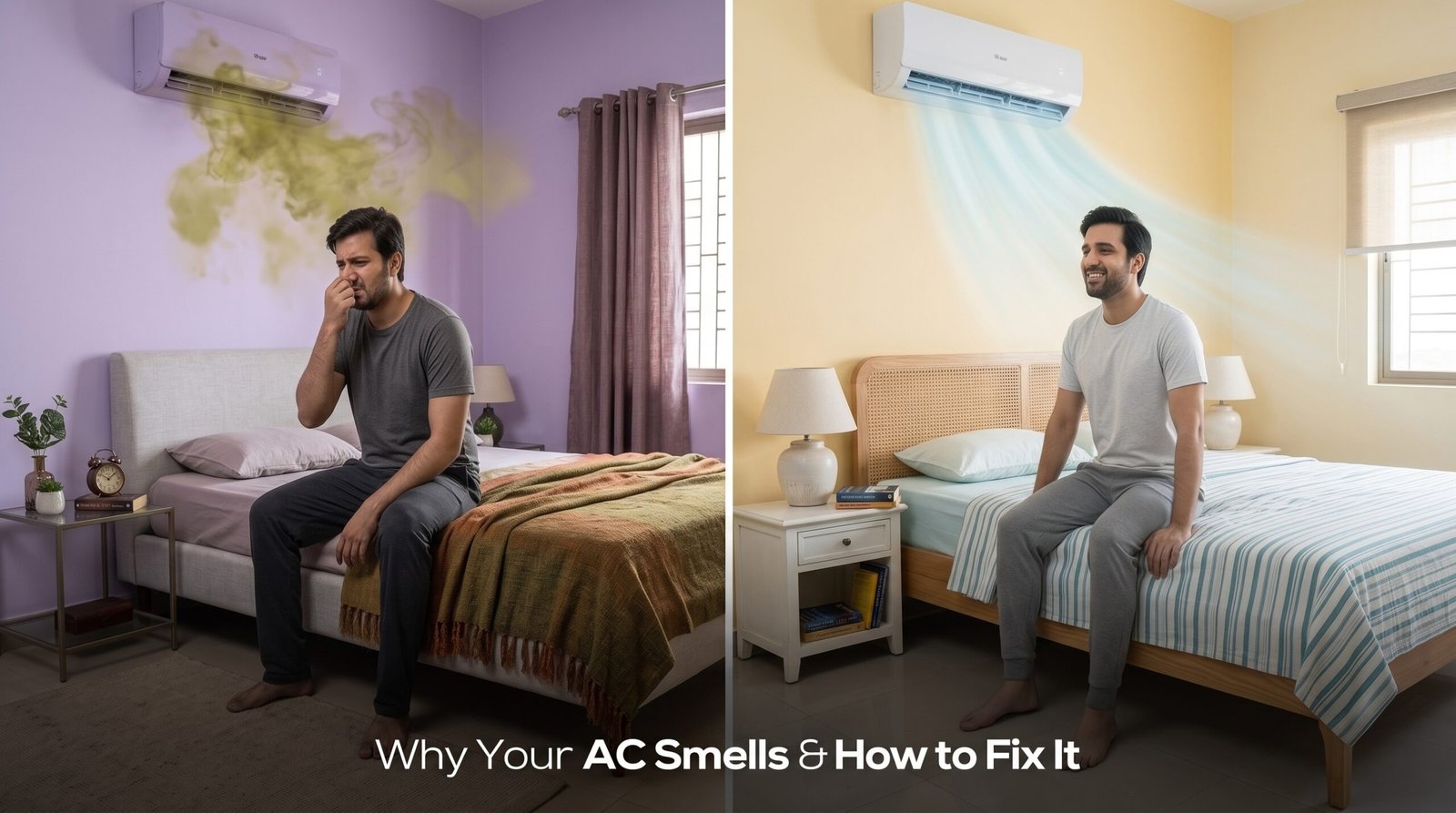
Turn on your AC in Pakistan during a hot, scorching summer day, and a foul, pungent odor hits you right in the face? You are definitely not alone. Thousands of homeowners across major Pakistani cities face this deeply frustrating issue every single year. The unpleasant scent can manifest in various ways: it might be a damp musty smell, a hazardous burning smell, a disgusting rotten egg odor, or a sharp chemical smell. Not only does this make your living room or bedroom incredibly uncomfortable, but it also ruins your indoor air quality.
Why Does Your AC Smell Bad? (Quick Answer)
If you are hunting for a quick, straightforward diagnostic answer to why a bad smell is coming from your split AC unit, here are the most common culprits identified by appliance experts:
- Severe Dust and Bacteria Buildup: Grime accumulation on the internal cooling fins.
- Toxic Mold and Fungus Growth: Flourishing in the dark, damp areas of the indoor unit.
- Clogged Condensate Drain Pipe: Stagnant, dirty water backing up and rotting inside the pan.
- Dead Pests, Rodents, or Insects: Small animals trapped inside the casing or ductwork.
- Refrigerant Gas Leakage or Electrical Wiring Burnout: Serious mechanical failures that pose immediate safety hazards.
Types of AC Smells and What They Mean
Understanding the specific scent your cooling system is emitting is the fastest way to troubleshoot the root cause. Use this clear breakdown to identify the urgency of your appliance issue:
1. Musty or Damp Smell
- Possible Cause: Mold, mildew, or fungus growth inside the indoor unit and blower wheel.
- Risk Level: Medium (Can trigger allergies and asthma).
- Quick Fix: Wash the air filters thoroughly and utilize specialized anti-bacterial AC cleaning sprays.
2. Rotten Egg Odor
- Possible Cause: A dead pest (lizard, mouse, or large insect) trapped inside, or a critical gas dynamics issue.
- Risk Level: High (Urgent attention required).
- Quick Fix: Immediately turn off the system, safely open the outer plastic casing, and check for biological debris.
3. Burning or Metallic Smell
- Possible Cause: Overheated fan motor, short-circuited wiring, or burning plastic electrical components.
- Risk Level: High (Serious fire hazard).
- Quick Fix: Turn off the main circuit breaker (MCB) instantly and do not run the AC until an expert technician inspects it.
4. Sharp Chemical or Sweet Smell
- Possible Cause: Hazardous refrigerant (Freon gas) leakage from the internal evaporator coils.
- Risk Level: High (Can cause dizziness and respiratory irritation).
- Quick Fix: Open all room windows for ventilation, turn off the appliance, and book an expert gas repair service.
5. Dirty Socks Odor
- Possible Cause: Stagnant water and heavy bacterial buildup on the dark, moist cooling fins.
- Risk Level: Medium (Affects indoor freshness and health).
- Quick Fix: Schedule a professional chemical deep cleaning or flush out the entire drainage system.
Common Causes of Bad AC Smell: A Deep Technical Dive
Let’s analyze why these foul odors develop within modern split air conditioners so you can target the core issue effectively.
1. Dirty and Choked Air Filters
Air filters are designed to trap airborne dust, pollen, and pet dander. Over time, they become completely blocked with a thick, gray blanket of dirt. This blockage restricts airflow, traps humidity inside the unit, and creates a breeding ground for foul-smelling bacteria. This is particularly common in Pakistan due to high outdoor dust levels. This issue often surfaces when your AC smells musty when turned on after a long winter break.
2. Mold and Moisture Accumulation Inside the Unit
An air conditioner naturally extracts gallons of moisture from your room’s air as it cools. The interior of your split AC is constantly dark and damp, making it the perfect environment for mold and fungus to thrive. When the fan blows air past these mold colonies, it carries millions of microscopic spores into your breathing zone, causing a distinct, damp stench and leading to coughing or skin allergies.
3. Clogged and Restrained Condensate Drain Line
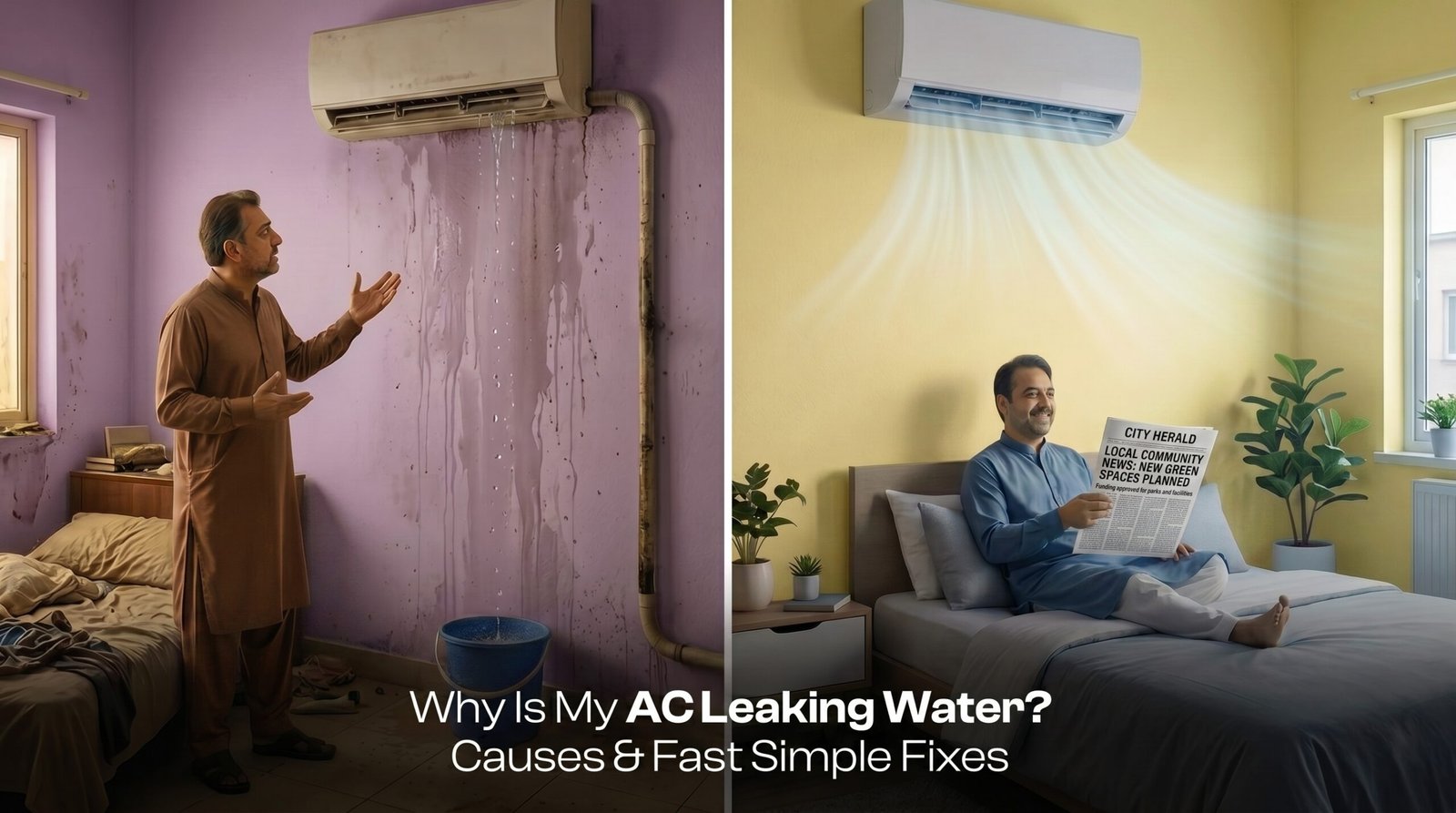
The water pulled from your room air drips into an internal tray and exits via a flexible plastic drain pipe. If dust and algae block this narrow pipe, the water cannot escape. It sits stagnant inside the unit for days, turning into a foul, slimy sludge. This standing water creates a horrible odor, which is the prime reason behind an AC smelling like dirty socks.
4. Dead Insects, Lizards, and Small Rodents
In many Pakistani households, small pests like geckos (lizards), cockroaches, and mice manage to squeeze through the exterior pipe holes or settle inside the outdoor condenser unit. If they get stuck and die near the air intake channels, their decomposition creates an incredibly strong, overpowering rotten egg smell that gets sucked directly into your room through the vents.
5. Overheated Internal Electrical Components
If you notice a sharp, metallic burning smell from the AC unit, it indicates that an internal electrical component is failing. This could be due to a malfunctioning fan motor friction issue, loose wiring connections sparking behind the panel, or a damaged electronic control board (PCB) melting under heavy load shedding fluctuations.
6. Freon Gas or Refrigerant Leakage
Modern eco-friendly refrigerants are generally odorless, but when mixed with internal compressor oils, a gas leak can emit a distinct, chemically sweet or pungent chloroform-like smell. A refrigerant leak not only destroys your cooling performance but also spikes your monthly electricity bill as the compressor works overtime.
Step-by-Step DIY Solutions: How to Fix AC Smell at Home
You do not always need to spend thousands on professional maintenance. Here is how you can effectively remove bad smells from your AC at home using simple household methods:
Step 1: Clean or Replace the Mesh Air Filters
Gently pop open the front plastic cover of your indoor unit, slide out the mesh filters, and take them to your washroom. Wash away the accumulated grime using normal running tap water and a soft nylon brush. Let them air-dry completely in a shaded area before reinstalling them. Doing this every 2 to 4 weeks during the peak summer season is the easiest way to eliminate musty odors.
Step 2: Gently Clean the Indoor Unit Vents and Louvers
Dust settles heavily on the directional swing flaps (louvers) and exit vents. Grab a clean microfiber cloth or a soft brush and wipe down these areas gently. Removing this superficial dust prevents it from reacting with condensation and creating sour odors right at the air exit point.
Step 3: Flush the Condensate Drain Pipe Completely
Locate where your AC water drains outside your home. If you suspect a clog, you can use a wet/dry vacuum cleaner to suck out the organic slime blocks from the exterior end. Alternatively, you can carefully pour a warm water solution down the internal drain pan channel to flush out bacteria and remove the odor of stagnant water.
Step 4: Apply a Dedicated Anti-Bacterial AC Cleaning Spray
You can easily purchase specialized AC cleaning sprays online or from local Pakistani hardware markets. After removing the filters, spray this foam cleaner directly onto the exposed silver evaporator coils. The foam penetrates deep into the fins, kills lingering bacteria, dissolves mold, and liquefies into the drain pan, leaving a fresh, clean scent behind.
Step 5: Utilize the Fan-Only Mode Regularly
Whenever you are about to turn off your AC for the day, switch the operational mode from “Cool” to “Fan” mode and let it run for 15 to 20 minutes. This simple habit runs the internal blower fan without activating the cooling compressor, completely drying up the residual moisture on the coils and effectively preventing future mold growth.
When You Should NEVER Ignore a Bad AC Odor
While a musty smell can be handled via DIY cleaning, certain specific odors require immediate professional intervention due to safety risks:
- A Burning Smell: This indicates an active electrical short-circuit or an overheated motor, which can escalate into a dangerous household fire if ignored.
- A Heavy Chemical Smell: Inhaling concentrated refrigerant gas can cause dizziness, headaches, and nausea.
- Persistent Smells After Deep Cleaning: If the odor remains strong even after you have washed the filters and flushed the lines, the contamination is likely buried deep within the internal blower wheel or duct insulation.
Pakistan-Specific Factors That Trigger AC Smells
Running an air conditioner in Pakistan comes with a unique set of environmental challenges that accelerate the development of bad odors:
- Extreme Urban Dust Levels: Cities like Lahore, Karachi, Peshawar, and Faisalabad experience heavy atmospheric dust and smog. This fine dust bypasses basic filters quickly, mixing with moisture to form a foul organic paste inside the unit.
- Unscheduled Load Shedding: Frequent power outages cause the AC to shut down abruptly while the internal coils are still soaking wet. Without a proper fan-down cycle, this trapped moisture turns the unit into an instant incubator for mold and fungi.
- Improper Commercial Installation: Many local, untrained technicians fail to seal the wall hole through which the copper pipes and drain lines pass. This open gap allows outdoor sewer gases, street humidity, and pests to enter the indoor unit directly.
Repair vs. Replace: Making the Right Investment Decision
Is it worth paying for a repair service, or should you look into a brand-new appliance upgrade?
Opt for an HVAC Repair Service If:
- The air conditioner is relatively new and the cooling performance is still strong.
- The bad smell is caused by basic dust, cleanable mold, or a simple drain block.
- A single professional chemical wash completely resolves the odor issue.
Opt for a Complete AC Replacement If:
- Your air conditioner is 8 to 10 plus years old and consumes excessive electricity.
- The internal components have suffered severe corrosion (rusting of the coils or chassis).
- The bad smell keeps coming back every few weeks due to chronic internal structural damage.
- You want to upgrade to advanced health features. Modern split inverter ACs in Pakistan come equipped with anti-bacterial filters, advanced health ionizers, and automated self-cleaning features.
Top Smart AC Brands in Pakistan with Anti-Odor Technology
If you are tired of dealing with persistent bad odors and frequent maintenance costs, upgrading to a high-quality inverter AC is the smartest choice. Top-tier brands now engineer specific technologies to keep your indoor air pristine:
- Gree: Offers premium inverter models with advanced health filters, cold plasma air purification systems, and robust anti-corrosion blue fin coatings that prevent organic buildup.
- Haier: Famous for its revolutionary “Self-Cleaning” or “Sterilization” technology, which automatically freezes the indoor evaporator coil to trap dust and then thaws it rapidly to wash away grime, bacteria, and odors effortlessly.
- TCL: Features multi-stage air filtration, smart airflow designs, and highly durable titan-gold fin structures that actively resist moisture retention and mold cultivation.
- Dawlance: Engineered specifically for the local Pakistani climate, offering high-end humidity control features, rust-proof drainage configurations, and excellent protection against voltage fluctuations.
- Samsung: Renowned for “WindFree” cooling technology and intelligent drying functions that automatically keep the internal chassis dry after shutdown, ensuring zero odor development.
Conclusion
A bad AC smell can instantly ruin your home comfort and signal hidden maintenance issues, but it is a highly fixable problem. By maintaining a regular cleaning routine such as washing your air filters every two weeks, keeping the drain line clear, and utilizing the fan-mode trick you can ensure your air conditioner stays completely fresh and odorless throughout the summer.
If your old cooling unit continues to emit foul odors despite your best efforts, it is a clear sign that the system is past its prime. Upgrading to a modern, energy-saving inverter AC from leading brands like Gree, Haier, or Dawlance will elevate your lifestyle, slash your electricity costs, and provide you with clean, healthy, and fresh air for years to come.
FAQs – AC Bad Smell Problems & Solutions
Q1. Why does my AC smell bad exactly when I turn it on? +
This happens because dust, mold, and bacteria have settled on the indoor coils while the unit was switched off. The moment you turn on the AC, the internal blower fan pushes room air directly through these dirty, damp parts, immediately spraying the trapped odors into your room.
Q2. How do I remove the bad smell from my split AC without calling a technician? +
You can easily resolve mild odors at home by washing the removable air filters with soapy water, wiping down the exterior vents, flushing the external drain pipe with a vacuum or water mixture, and applying a commercial anti-bacterial AC coil cleaning spray.
Q3. Is breathing the air from a smelly air conditioner harmful to my health? +
Yes, it can be harmful. Musty and dirty sock smells are caused by mold spores and active bacteria. Breathing this contaminated air over long periods can trigger severe throat irritation, allergic reactions, dry coughing, and asthma attacks, especially in children and the elderly.
Q4. Why does my air conditioner smell like rotten eggs? +
A rotten egg smell almost always indicates that a small pest, such as a wall lizard (gecko), mouse, or bird, has crawled into the unit and died. In rare instances, it can also point to a severe gas pressure anomaly. Turn off the system immediately and check behind the panels.
Q5. How often should I clean my air conditioner if I live in a dusty city in Pakistan? +
Due to the intense dust levels in cities like Lahore or Karachi, you should wash your indoor mesh filters every 2 to 4 weeks. Additionally, a comprehensive professional chemical service should be scheduled at least once a year, right before the summer season kicks off.
Q6. Can I safely spray regular vinegar inside my AC unit to kill mold? +
You can use a diluted vinegar solution to safely clean and flush out the plastic drain pipe and internal pan. However, you should never spray vinegar directly onto the electrical wiring, circuit boards (PCB), or copper coils, as its acidic nature can cause severe corrosion and system failure.
Q7. What is the easiest way to disinfect my indoor split AC at home? +
The most effective way to disinfect your system is to use a dedicated aerosol AC cleaning spray. Spray the foam evenly across the silver cooling fins, let it sit for 15 minutes to dissolve the bacteria, and then run the AC in cooling mode so the residue drains out naturally.
Q8. How does the AC self-cleaning feature actually work? +
Modern inverter air conditioners from brands like Haier and Gree use a smart process where the system intentionally freezes the indoor evaporator coil to create a layer of frost that traps internal dust. It then quickly thaws the ice, creating a strong rush of water that washes all dust and bacteria down the drain automatically.
Q9. What are the top warning signs that my AC desperately needs a deep service? +
The most obvious warning signs include a foul or musty smell coming from the vents, a noticeable drop in cooling performance, weak airflow, visible dust particles blowing out, and a sudden, unexpected spike in your monthly electricity bill.
Q10. What specific types of bacteria can grow inside an uncleaned AC? +
Uncleaned, humid air conditioning units can easily harbor various mold strains, common fungi, and harmful environmental bacteria like Legionella. These microorganisms thrive on the moist cooling coils and inside the dark condensate drain pan if the system isn't regularly maintained.