







Why Is My AC Leaking Water? Comprehensive Guide

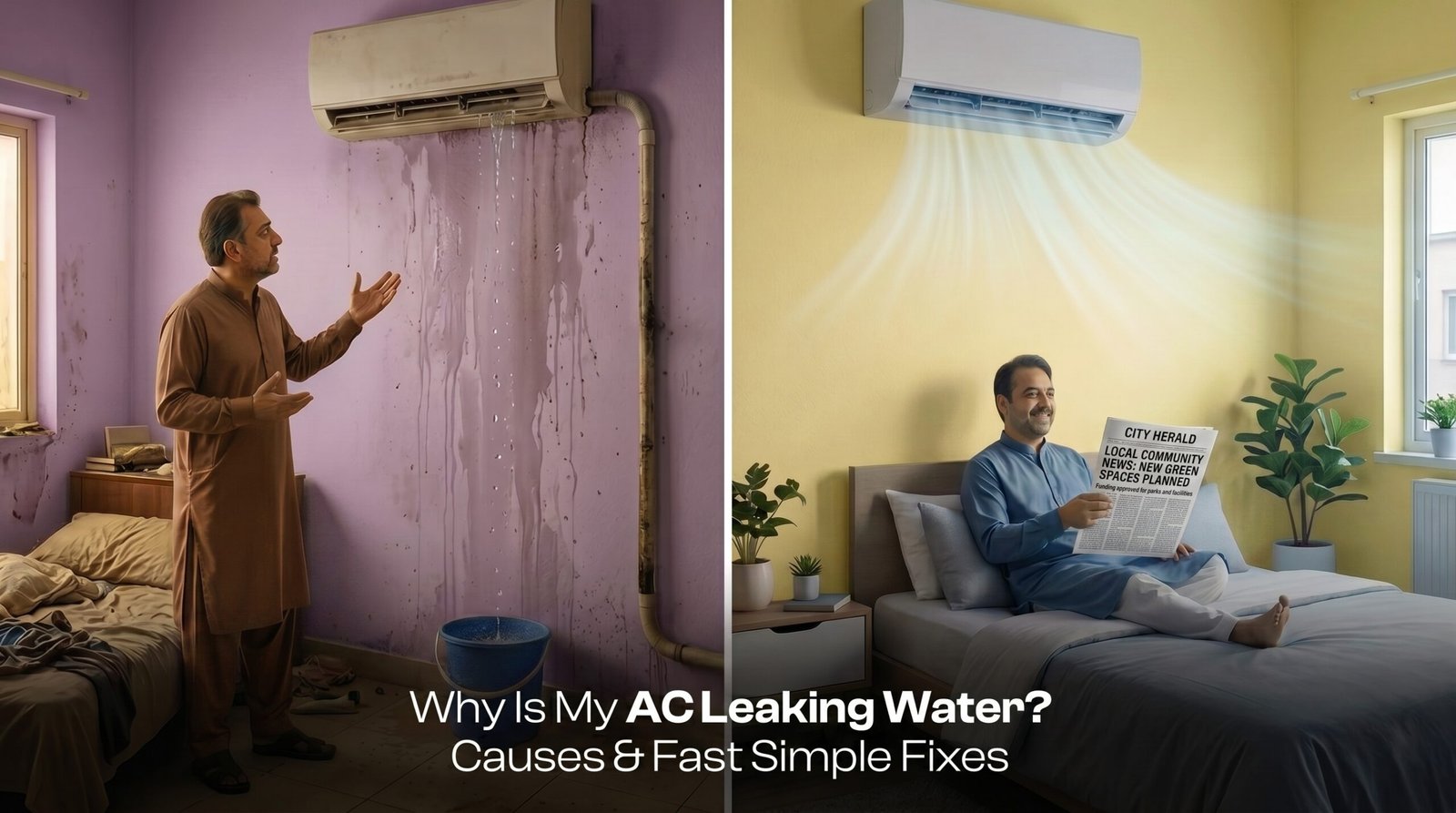
Causes, Risks, and Fast Simple Fixes
Is your AC leaking water inside your room? This is one of the most frustrating and common household problems, especially during the peak of summer. You might suddenly notice water dripping from the AC indoor unit, creating puddles on your floor, or causing damp, wet walls near the split AC unit. If ignored, this issue can quickly damage your expensive furniture, ruin your wall paint, and even lead to dangerous mold growth.
A leaking AC is not just a messy inconvenience; it is a clear warning sign that something is malfunctioning inside your cooling system. While some AC water leakage problems are simple, straightforward DIY fixes, other scenarios—especially involving older, rusted, or severely damaged units—might require a complete system upgrade.
In this ultimate, long-form troubleshooting guide by Kiachahiye.com, we will break down exactly why your air conditioner is leaking water, analyze the root causes, provide step-by-step simple solutions you can perform at home, and help you decide when it’s time to call a professional or invest in a new cooling appliance.
Why Does Your AC Leak Water? (Quick Answer)
If you are looking for a quick diagnosis of why water is coming from the AC, here are the primary culprits that digital marketing experts and HVAC technicians consistently identify:
- Clogged Condensate Drain Line: Algae, fungi, dust, and debris block the drainage pipe.
- Dirty Air Filters: Restricted airflow causes the temperature to drop, leading to frozen components.
- Low Refrigerant Levels (AC Gas Leakage): Insufficient gas drops system pressure, causing severe ice buildup.
- Damaged or Broken Drain Pan: Rusted, cracked, or old drain pans allow water to slip through before exiting.
- Improper AC Installation: Faulty leveling or poor pipe alignment prevents natural gravity drainage.
How AC Water Leakage Happens: The Science Behind the Drip
To effectively fix an aircon water leaking problem, it helps to understand how your air conditioning system operates. Your AC does not just cool your room; it acts as a massive dehumidifier.
The entire process works in a simple chain reaction:
First, warm and humid room air is pulled into the unit. Second, this air passes over the freezing cold evaporator coils. Third, the moisture from the air condenses into liquid water droplets on the coils—just like water droplets forming on the outside of a cold glass of water. Fourth, this water collects inside the internal drain pan. Finally, the water drains safely outside through the pipe, leaving your room cool and dry.
Under normal conditions, this condensed water drips smoothly into an internal drain pan (condensate tray) and flows safely out of your home through a dedicated condensate drain pipe. However, if there is a blockage in the line, a crack in the pan, or a system malfunction that alters the temperature dynamics, that water has nowhere to go. Consequently, gravity takes over, and you end up with an AC leaking water inside the room.
7 Common Causes of a Leaking Air Conditioner
Let’s dive deep into the technical reasons behind this issue so you can identify exactly what is happening behind your AC’s plastic panel.
1. Clogged Condensate Drain Line
This is undisputed as the number one reason for an AC unit leaking water. Because the indoor unit continuously draws in airborne dust, pet dander, and microscopic debris, some of this grime mixes with the moisture on the coils. Over time, this sludge travels into the narrow drain line, forming a thick clog of slime, algae, and mold. When the pipe is completely blocked, the water backs up, overflows the internal channel, and spills out of the indoor unit’s casing.
2. Dirty and Blocked Air Filters
When was the last time you washed your AC filters? When air filters accumulate a heavy layer of dust, they choke the system’s airflow. Without a steady stream of warm room air passing over the evaporator coils, the refrigerant inside the coils gets excessively cold. This drop in temperature causes the moisture on the coils to instantly freeze, turning your indoor unit into a block of ice. When you turn off the AC or when the compressor cycles off, that thick layer of ice melts rapidly, overwhelming the drain pan and causing massive water dripping from the AC.
3. Frozen Evaporator Coils
While dirty filters are a primary cause of frozen coils, other internal technical issues can cause the exact same phenomenon. Blown blower motors, broken fan blades, or damaged internal circuitry can stop the internal fan from spinning. Without proper air circulation, the coils freeze up entirely. When the ice inevitably thaws, it creates an absolute deluge of water that the drainage system simply cannot handle, leading to severe aircon dripping water inside the room.
4. Low Refrigerant Levels (Freon/Gas Leakage)
Many homeowners wonder, “Why is my air conditioner leaking water when the filters are perfectly clean?” The answer often lies in low refrigerant levels. When your split AC has a minor or major gas leak, the internal pressure within the cooling coils drops significantly. This low pressure causes the evaporator coils to over-freeze. Just like the dirty filter scenario, this results in a continuous cycle of freezing and melting, which manifests as an annoying, persistent water leak.
5. Faulty or Improper AC Installation
If you have recently purchased a brand-new AC and it has started leaking immediately, the root cause is almost certainly poor installation. An indoor split AC unit must be mounted perfectly level or with a very slight, almost invisible tilt toward the side where the drain pipe is connected. If the technician mounts the unit unevenly, or if the drain hole in the wall is drilled at an incorrect, upward angle, the water will flow backward instead of flowing out. This is a highly prevalent cause of AC water leakage in Pakistan due to untrained local technicians.
6. Rusted, Cracked, or Damaged Drain Pan
If you are running an older, non-inverter air conditioner that has served you for 7 to 10 years, the internal components are prone to natural wear and tear. The drain pan, which sits directly beneath the evaporator coils to catch condensation, is constantly exposed to moisture. In older units made with metal components, this pan can rust through, creating small holes. Even modern plastic pans can crack over time due to extreme temperature shifts. Water slips directly through these cracks instead of entering the drain pipe.
7. Extreme Ambient Humidity and Weather Conditions
During the intense monsoon seasons or high-humidity coastal summers, the moisture content in the air sky-rockets. Your air conditioner has to work double-time to pull this immense humidity out of your living space. This results in gallons of water being processed by the system. If your drain line has even a minor, partial restriction or if the pipe layout has too many bends, the sheer volume of water will cause temporary overflows.
Step-by-Step DIY Solutions: How to Fix AC Water Leakage at Home
Before you panic and spend money on an emergency technician visit, many water leak issues can be safely resolved using basic household tools. Here is your step-by-step guide:
Step 1: Turn Off the Power Supply Immediately
Safety must always come first. Before touching any internal component of your electrical appliances, switch off the AC via its remote, turn off the dedicated circuit breaker (MCB), and unplug the unit if applicable. Water and electricity are a dangerous combination.
Step 2: Thoroughly Inspect and Clean the Air Filters
Open the front plastic casing of your indoor split AC unit by gently pulling the side tabs. Slide out the mesh air filters. If they are coated in gray dust, take them to a bathroom or kitchen sink and wash them under running tap water. Avoid using harsh chemical detergents or hot water. Let them air-dry completely in the shade before sliding them back into the unit.
Step 3: Clear the Clogged Drain Pipe
Locate the external end of the drain pipe outside your home where the water usually drips. You can fix this in two ways:
- The Vacuum Method: If you have a wet/dry shop vacuum cleaner, tightly seal the vacuum hose to the end of the AC drain pipe using a cloth or tape. Turn on the vacuum for 1 to 2 minutes. This will easily suck out the accumulated algae, slime, and dirt blocks.
- The Flushing Method: If you can access the indoor drain pan, you can gently pour a mix of warm water and plain white vinegar down the drain hole to kill any lingering mold or algae growth and clear minor blockages.
Step 4: Check the Physical Level of the Indoor Unit
Take a look at your indoor split unit from a distance. Does it look visibly tilted or saggy on one side? Over time, wall vibrations or loosening wall plugs can cause the mounting bracket to shift. If the unit is leaning away from the drain pipe side, water will overflow. You will need a professional to realign the mounting plate safely.
Important Safety Note: Do not attempt to repair gas leaks, refill refrigerant (R32, R410a, etc.), or handle deep internal electrical wiring by yourself. Refrigerants require specialized gauge manifolds, and improper handling can cause severe skin burns, system failure, or void your manufacturer warranty.
AC Leaking Water? Here’s What NOT to Do
When dealing with home appliance issues, avoiding common mistakes is just as important as knowing what steps to take. If your aircon is dripping water, ensure you avoid these pitfalls:
- Do Not Ignore the Leak: A small, slow drip today can turn into a massive wall-ruining overflow tomorrow. Ignoring water leaks can permanently damage the sensitive electronic control board (PCB) located inside the indoor unit.
- Do Not Keep Running the AC: If the unit is leaking because it is frozen, continuing to run it will strain the compressor motor, leading to an incredibly expensive compressor burnout.
- Do Not Use Hard Wires to Poke the Drain Pipe: Poking sharp metal wires or stiff hangers into the flexible plastic drain line can puncture or tear the pipe inside your wall, turning an easy-to-fix exterior clog into a disastrous internal wall leak.
- Do Not Rely on Temporary Catch-Buckets: Placing a bucket under a dripping indoor unit is a temporary band-aid, not a solution. It does not address the underlying operational problem of your cooling system.
Proactive Maintenance Checklist to Prevent Future Leaks
Prevention is always better, cheaper, and less stressful than a sudden breakdown. By following this structured maintenance routine, you can completely eliminate the chances of your air conditioner leaking water:
- Wash Indoor Mesh Filters (Every 2 Weeks During Summer): This optimizes airflow, prevents ice formation, and lowers electricity bills.
- Inspect Exterior Drain Pipe (Once a Month): This ensures water flows freely without any organic or dirt blockage.
- Pour Vinegar Down Drain Line (Every 3 Months): This kills bacteria, mold, and algae before they turn into hard clogs.
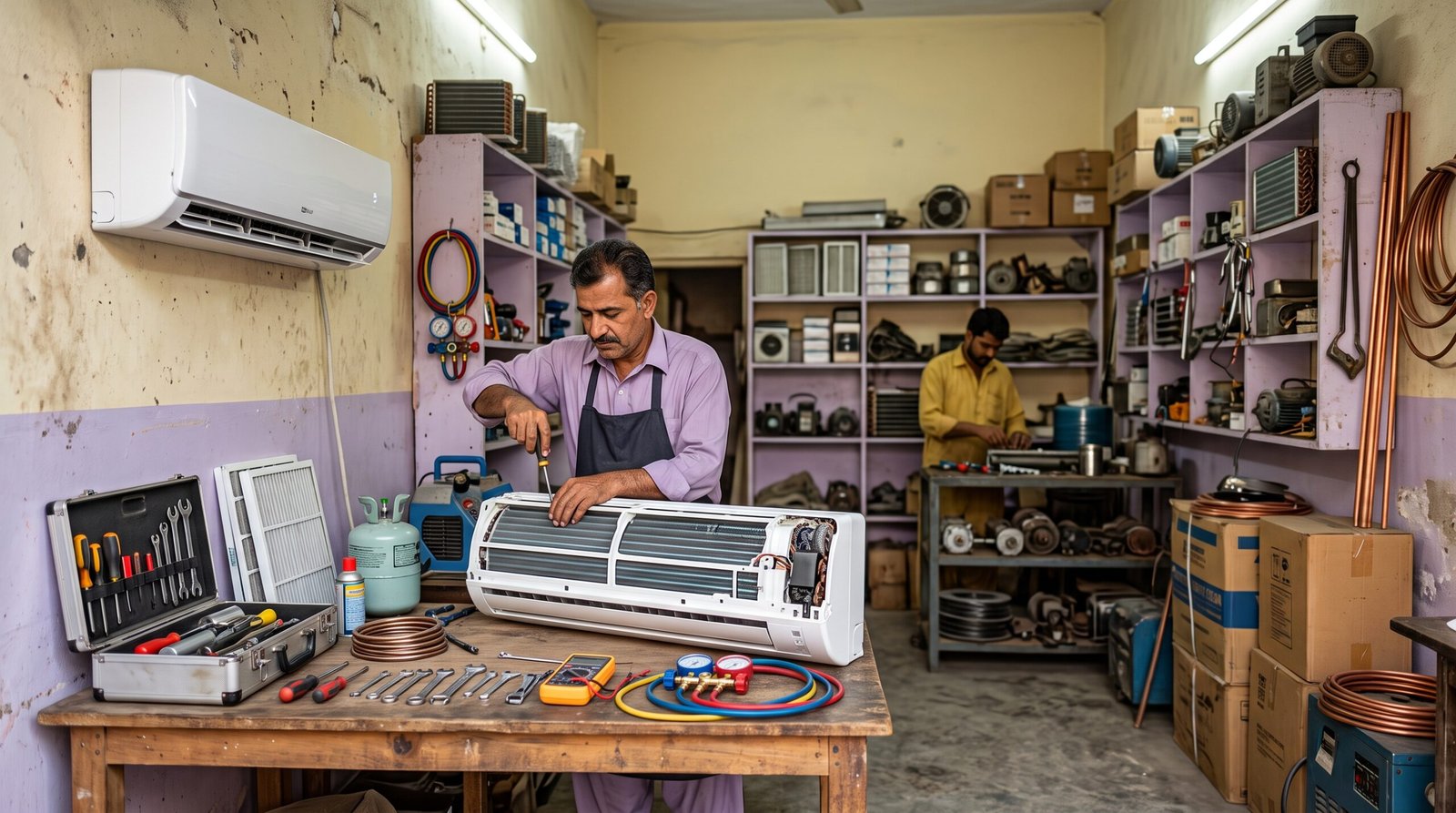
- Professional HVAC Deep Service (Twice a Year – Pre and Post Summer): This cleans internal cooling coils, checks gas pressure, and balances the system.
- Clear Debris from Outdoor Unit (Every 6 Months): This keeps condenser coils clean for superior heat exchange performance.
Looking for comprehensive reviews on the best maintenance tools or looking to purchase a hassle-free new appliance? Visit Kiachahiye.com to read expert, unbiased consumer product guides tailored explicitly for Pakistani consumers.
When to Repair vs. When to Replace Your Leaking AC
Every homeowner faces the ultimate dilemma: Should I spend money fixing this old appliance again, or is it finally time to replace it? Use this breakdown to make a smart financial decision.
When to Choose Repair
- The air conditioner is relatively new (less than 5 to 6 years old).
- The water leakage is caused by a simple block, dirty filters, or minor installation errors.
- The overall cooling performance of the AC is still excellent, and your electricity bills are stable.
When to Choose a Complete Replacement
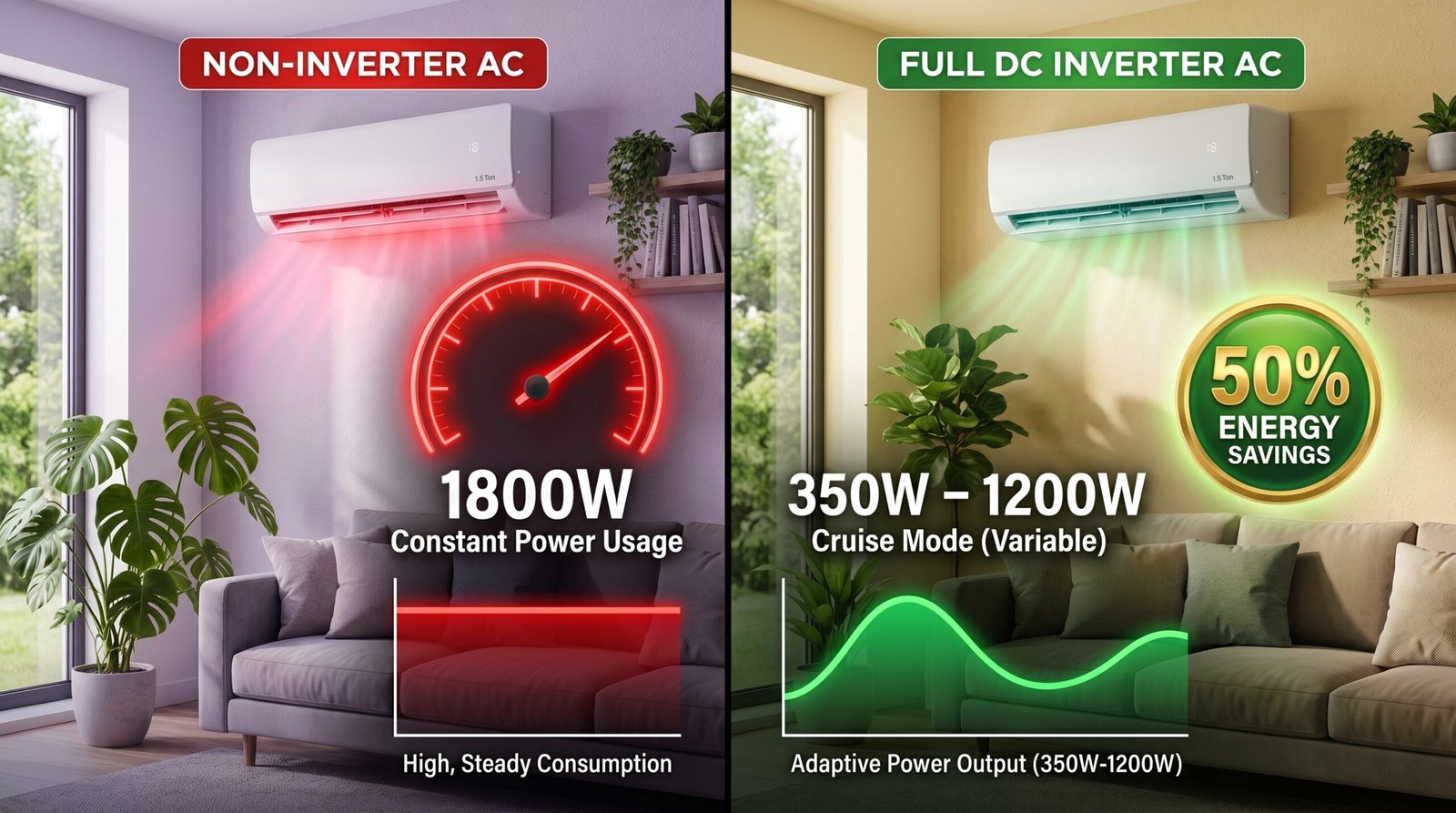
- The air conditioner is 8 to 10 plus years old and uses outdated, energy-hungry non-inverter technology.
- The internal drain pan is completely rusted out or cracked, and replacement parts are no longer manufactured.
- The unit suffers from chronic, recurring gas leaks and compressor issues.
- The cost of multiple repairs is quickly approaching half the price of a brand-new, energy-efficient inverter AC.
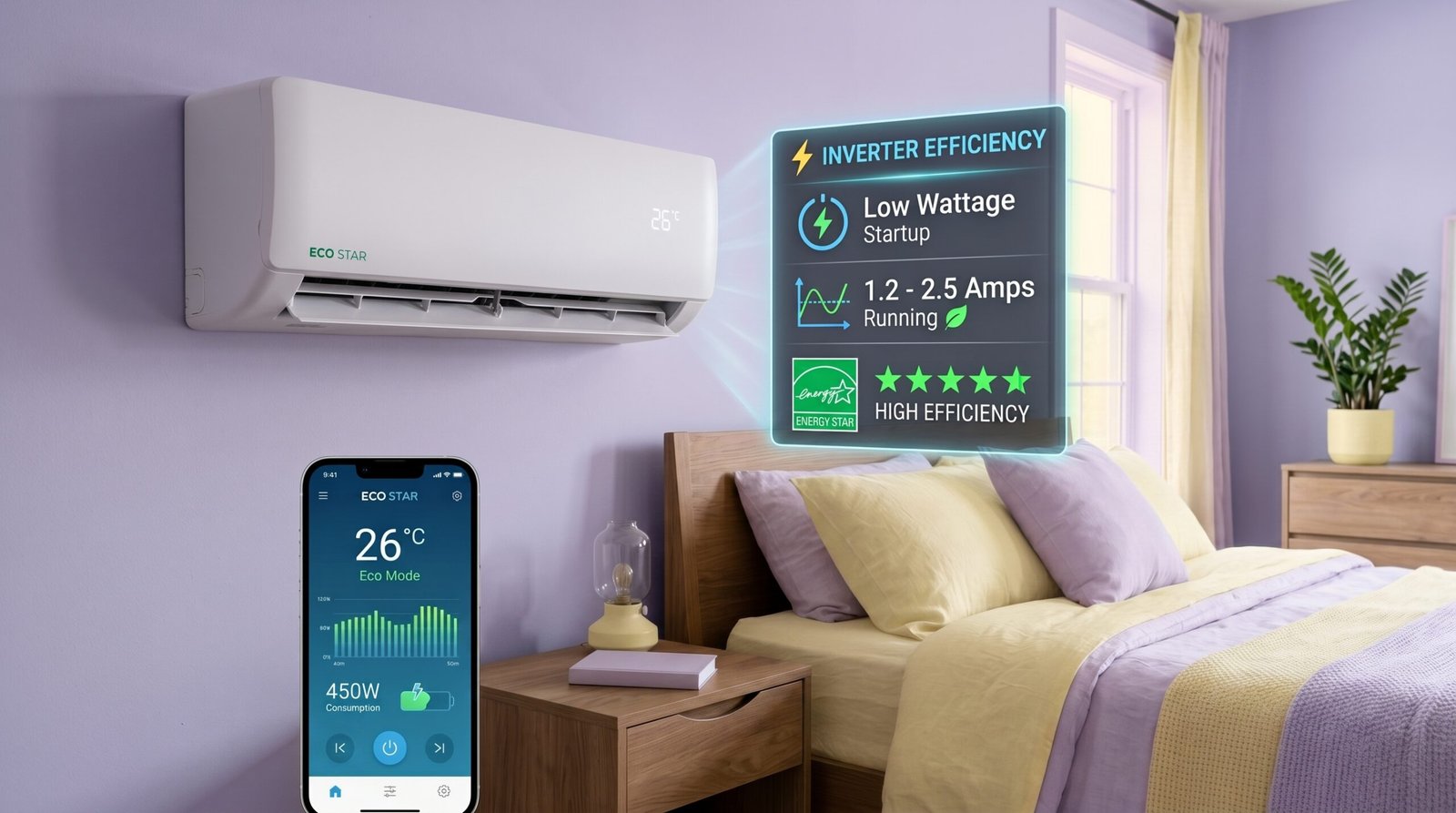
If you decide that replacing your old, problematic system is the most sensible path forward, upgrading to a modern Inverter AC is highly recommended. Modern inverter models feature advanced, anti-corrosion gold or blue fin coatings, rust-proof plastic composite drain pans, intelligent self-cleaning systems (such as freeze-thaw sterilization), and superior condensate management designs that drastically reduce the chances of encountering water leaks.
Top AC Brands That Minimize Water Leakage Issues
Investing in a premium, well-engineered air conditioner from a reputable brand ensures that your system is built with high-quality drainage systems, durable plastics, and reliable electronics. When browsing the market, these leading brands stand out for their performance, build quality, and excellent after-sales customer service network:
- Gree: Globally renowned for robust HVAC engineering, heavy-duty build materials, and highly efficient drainage pan layouts.
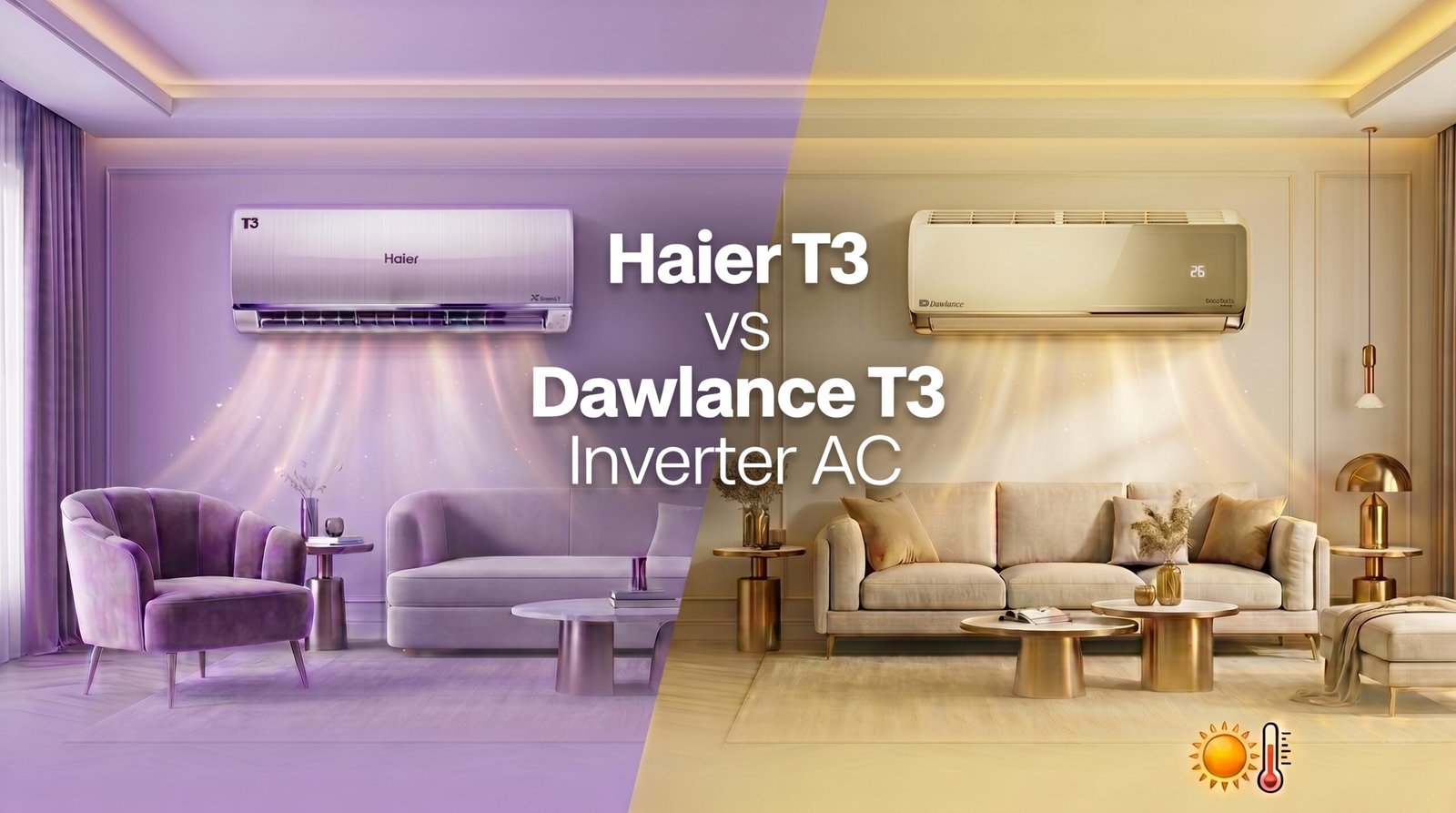
- Haier: A market leader offering state-of-the-art “Self-Cleaning” technology that automatically freezes and thaws the indoor coils to wash away dirt and prevent drain blockages.
- TCL: Known for sleek, modern smart inverter models equipped with smart airflow patterns and highly reliable, rust-resistant internal components.
- Dawlance: A trusted Pakistani household name optimized specifically for local weather conditions, offering excellent durability against high humidity and voltage fluctuations.
- Kenwood: Offers premium inverter series focused on extreme energy savings, heavy-duty tropical compressors, and high-quality build materials.
Before making any purchasing decision, make sure to read the comprehensive product breakdowns, energy-saving comparisons, and real-user reviews on Kiachahiye.com—your go-to platform for honest Pakistani product advice.
Conclusion
An AC leaking water inside your room is a highly common and disruptive problem, but as we have explored, it is completely manageable. Whether it’s an easy DIY fix like washing out a choked air filter and vacuuming a blocked drain pipe, or a professional task involving a gas refill or physical unit leveling, taking immediate action is critical. Regular cleaning and scheduled semi-annual servicing are your best defenses against water dripping from the AC.
If your aging air conditioner continues to leak despite multiple repair attempts, it is an obvious sign that your appliance has reached the end of its reliable lifespan. Upgrading to a modern, energy-efficient inverter AC from top-tier brands like Gree, Haier, or Dawlance will provide you with absolute peace of mind, pristine air quality, and powerful, uninterrupted cooling performance all summer long.
Frequently Asked Questions (FAQs)
Q1. Why is my split AC leaking water inside my room? +
This primarily happens when the condensation produced by the indoor evaporator coils cannot escape outside. The most common triggers are a completely clogged condensate drain line, heavily soiled air filters that freeze the system, or an improper installation angle that causes water to flow backward into the room.
Q2. Can I run my air conditioner while it is actively leaking water? +
It is highly recommended to turn off your AC immediately if you notice an internal water leak. Running a leaking AC can permanently damage your room's walls and furniture, ruin the unit's internal electrical control board (PCB), or cause severe mechanical strain on the compressor if the leak is due to frozen coils.
Q3. How do I know if my AC drain line is completely blocked? +
The clearest sign of a blocked drain line is water dripping directly out of the bottom plastic casing of your indoor unit instead of flowing out through the pipe outside. Additionally, if you check the exterior drain pipe outside your house and find it completely dry while the AC is running, a clog is highly likely.
Q4. How much does it cost to fix an AC water leak problem? +
If the issue is caused by dirty filters or a minor clog that you can clean yourself via DIY methods, the cost is practically zero. However, if you need to hire a professional technician for deep chemical servicing, drain pipe re-routing, or physical re-leveling of the indoor unit, service charges will vary depending on your city and the specific issue.
Q5. Can a low refrigerant gas level cause water to drip inside? +
Yes, absolutely. When your air conditioner has a refrigerant leak, the internal pressure drops. This causes the indoor evaporator coils to become excessively cold and develop a thick layer of ice. When that ice melts during compressor off-cycles, it produces an excessive volume of water that overflows the drain pan.
Q6. Is breathing the air from a leaking AC dangerous for health? +
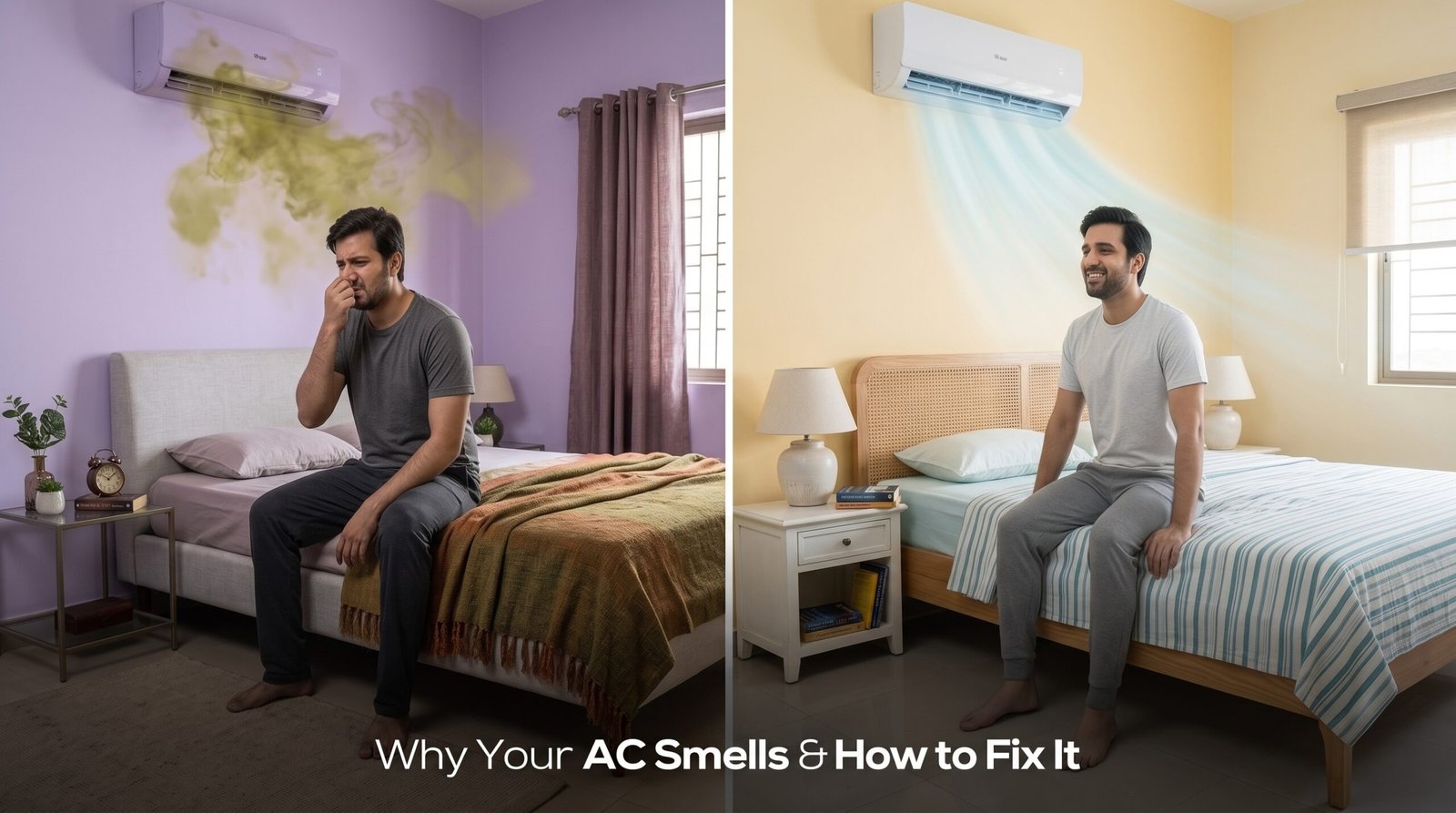
While the clean water itself isn't immediately dangerous, the stagnant moisture trapped inside a leaking AC creates a breeding ground for mold, mildew, fungi, and harmful bacteria. If left uncleaned, these spores are blown into your room, potentially triggering allergies, asthma attacks, and respiratory infections.
Q7. How often should I clean my air conditioner's filters? +
During the hot summer months when your AC runs constantly, you should slide out and clean the indoor mesh air filters at least once every two weeks. If you live in a particularly dusty or urban area, or if you have indoor pets, cleaning them once a week is ideal to maintain optimal airflow.
Q8. What is the average lifespan of a modern split inverter AC? +
With proper, regular maintenance and timely servicing, a high-quality split inverter air conditioner can easily last between 8 to 12 years. However, if the unit is neglected, exposed to harsh coastal salt-air, or undergoes frequent voltage fluctuations without protection, its reliable lifespan can drop significantly.