







How Often Should You Service Your AC?

The Ultimate Guide
Imagine a scorching hot summer day. You come home, sweaty and tired, and turn on your air conditioner (AC). But instead of a blast of freezing cold air, you get a weak, warm breeze. Or worse, the AC starts making a strange rattling noise and shuts down completely.
This is a nightmare nobody wants to face. Yet, millions of people neglect their air conditioning units until they break down.
Taking care of your AC is just like servicing your car. You wouldn’t drive a car for years without changing the oil, right? Similarly, your AC needs regular checkups to run smoothly, save energy, and last longer.
1. The Short Answer: How Often is Necessary?
If you are looking for a quick rule of thumb, here it is: You should service your air conditioner at least once a year.
The ideal time to schedule this professional service is in the early spring, right before the heavy summer heat kicks in. If you use an integrated system that provides both cooling in the summer and heating in the winter (like a heat pump), you should actually service it twice a year—once in the spring and once in the autumn.
While a professional tune-up is a yearly requirement, there are smaller maintenance tasks (like cleaning filters) that you need to do yourself every few weeks. We will break down both of these schedules below.
2. Why is Regular AC Servicing So Important?
Many homeowners ask: “If my AC is cooling fine, why should I spend money on servicing?”
It is easy to adopt a “if it isn’t broken, don’t fix it” mindset. However, regular maintenance acts as preventive care. Here is why skipping your AC service can cost you heavily in the long run:
It Saves You Money on Electricity Bills
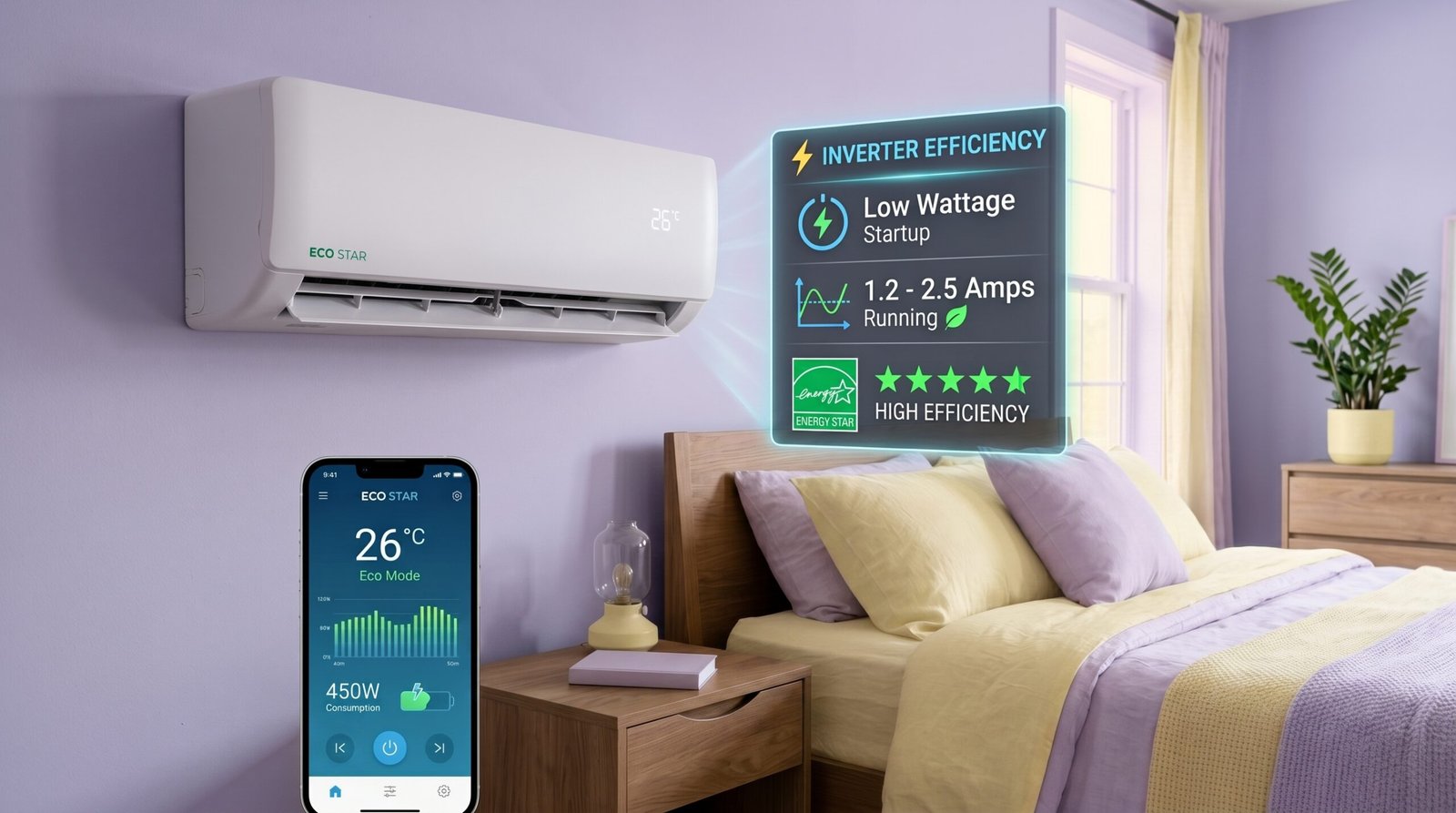
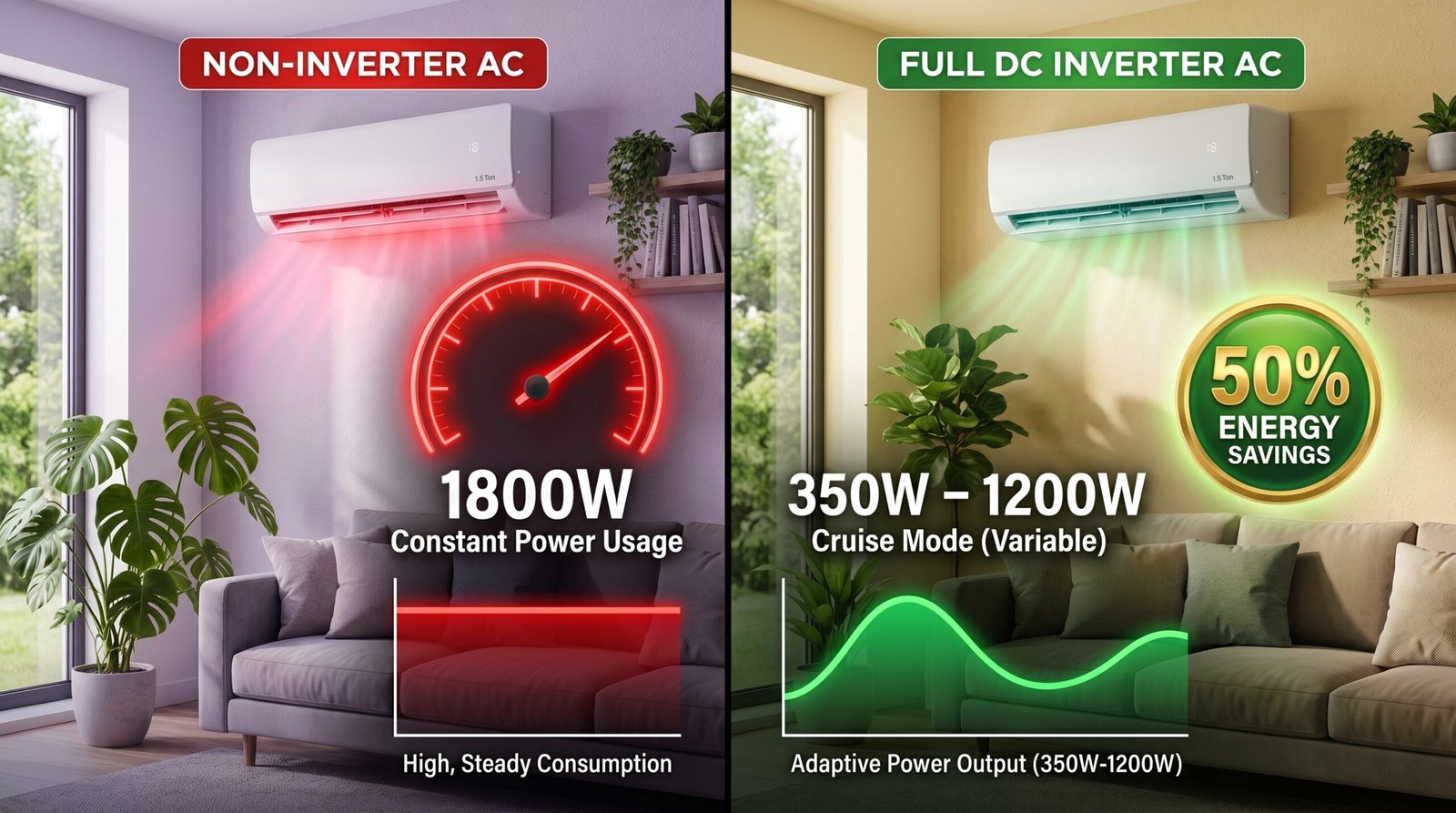
When an air conditioner is dirty, its coils get clogged and its motors have to work twice as hard to cool your room. This extra strain means the unit consumes significantly more power. Regular cleaning ensures it runs at peak efficiency, keeping your electricity bills as low as possible.
It Extends the Lifespan of Your AC
An air conditioner is a major financial investment. A typical split or window AC should last between 10 to 15 years. However, without regular checkups, internal parts wear out quickly due to friction, dust, and overheating. Regular maintenance can easily add several years to your system’s life.
It Prevents Sudden, Costly Breakdowns
Small issues—like a tiny refrigerant leak, a loose wire, or a dusty fan blade—can turn into massive problems if ignored. During a routine check, a professional technician can catch these minor flaws before they cause a total system failure on the hottest day of the year.
It Maintains Better Indoor Air Quality
Your AC doesn’t just cool the air; it also filters it. Over time, dust, pollen, pet dander, and even mold can build up inside the unit. If you don’t clean it, the fan will blow these harmful particles straight into your living space, triggering allergies and respiratory issues.
3. The Ultimate AC Maintenance Timeline
To make things incredibly easy for you, we have created a clear timeline of what needs to be done and when. Bookmark this section so you never miss a maintenance step!
Every 1 to 3 Months (DIY Tasks)
- Check the Air Filters: Pull out the plastic mesh filters from your indoor unit. If they are covered in a grey layer of dust, wash them with plain water and let them dry completely before putting them back. If you have disposable filters, replace them.
- Inspect the Outdoor Unit: Clear away any dry leaves, trash, or overgrown plants that are blocking the metal fins of your outdoor compressor. The outdoor unit needs plenty of space to breathe and release hot air.
Once a Year (Professional Service)
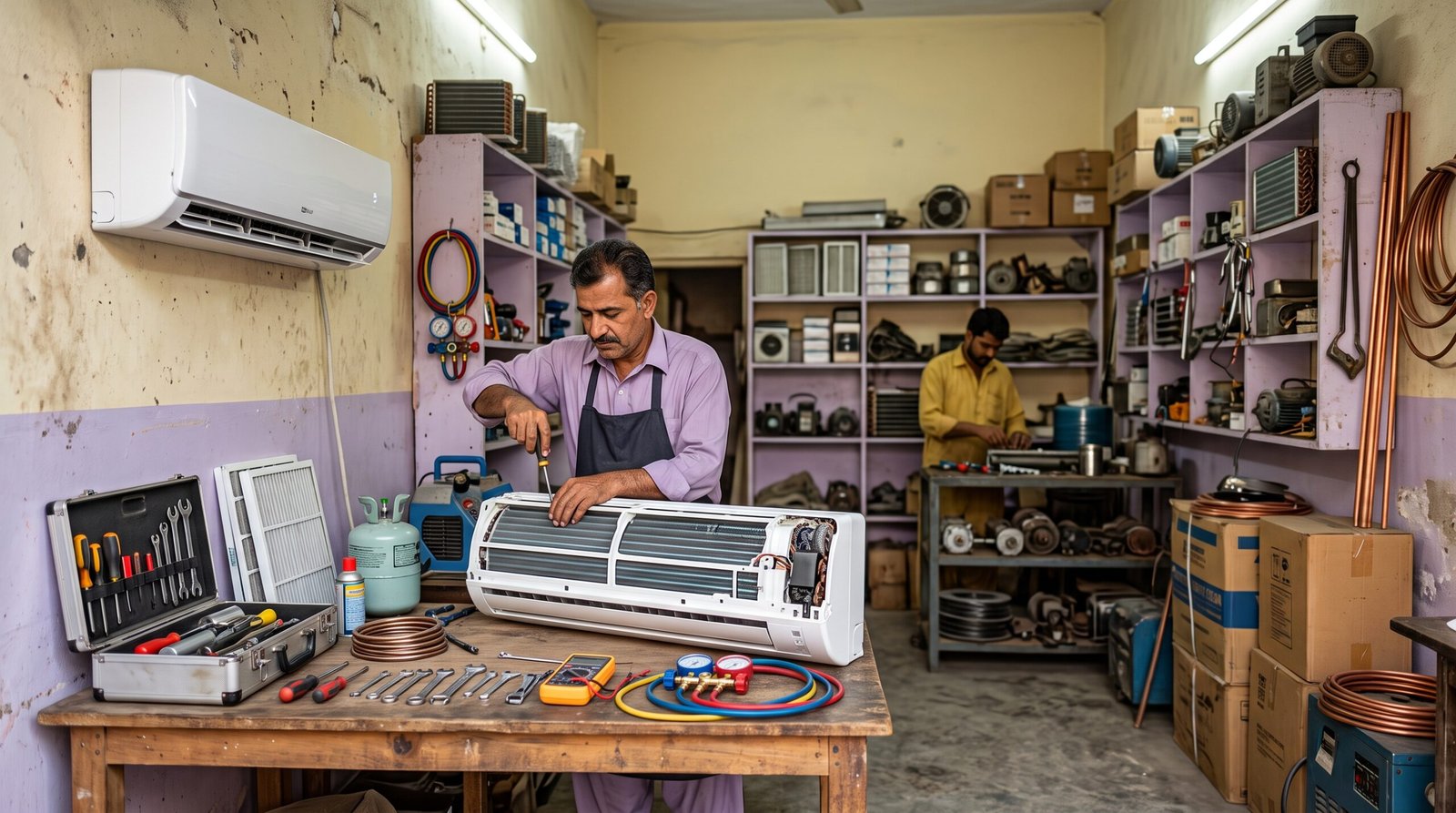
- Hire a Certified Technician: Call an expert to perform a comprehensive deep clean and safety inspection. They have special tools to check electrical connections, measure gas levels, and deep-clean internal components without damaging them.
4. What Happens During a Professional AC Service?
When you hire an expert technician, they don’t just wash the dust filters. A thorough, professional AC maintenance session includes several critical steps:
Component Checked | What the Technician Does | Why It Matters |
Evaporator & Condenser Coils | Deep cleans them using a specialized chemical spray or water pressure. | Dirty coils insulate heat, preventing the AC from cooling efficiently. |
Refrigerant (Gas) Levels | Measures the pressure of the cooling gas to check for leaks. | Low gas levels cause weak cooling and can freeze the indoor unit. |
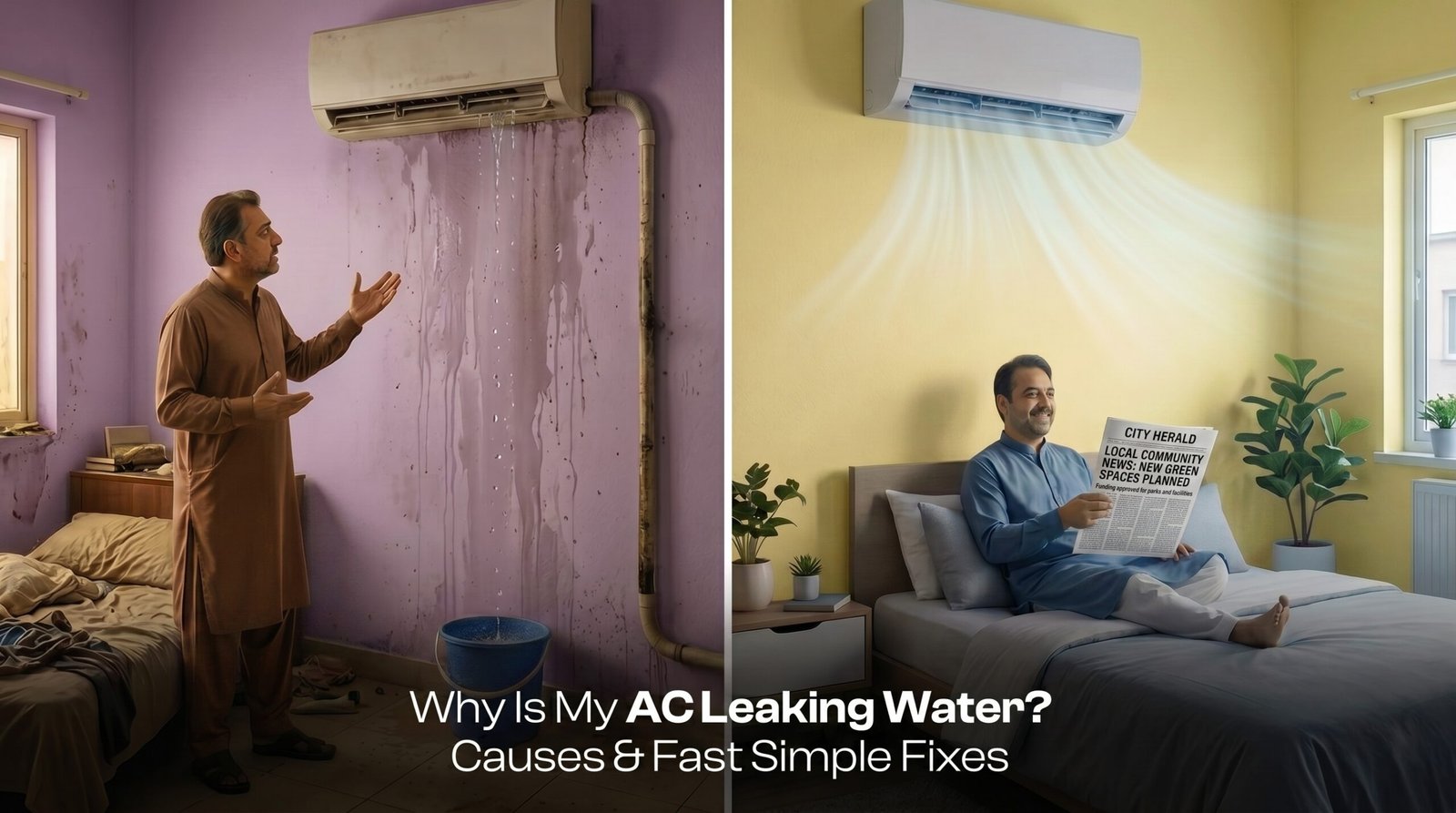
Drainage System | Flushes out the drain pipe to clear slime, dirt, and water blockages. | Blocked drains cause water to leak and drip down your indoor walls. |
Electrical Components | Inspects wires, tests capacitors, and ensures tight connections. | Loose wiring is a major cause of short circuits and compressor damage. |
Fan & Motor Lubrication | Lubricates moving parts and checks the fan belt tension. | Reduces friction, stops annoying squeaking sounds, and saves power. |
5. 6 Clear Warning Signs Your AC Needs Immediate Servicing
Sometimes, your AC cannot wait for its annual spring checkup. It will give you subtle (and not-so-subtle) warning signs that something is wrong. If you notice any of these 6 symptoms, call a professional immediately:
1. Weak or Warm Airflow
If you turn the temperature down to 16°C or 18°C but the air coming out feels warm or barely noticeable, your system is struggling. This is usually caused by a failing compressor or low refrigerant levels.
2. Strange and Unusual Noises
Your AC should run with a soft, steady hum. If you hear grinding, screeching, rattling, or buzzing sounds, something has likely come loose inside the unit. Ignoring this can cause the loose part to break other expensive internal components.
3. Bad Odors Coming from the Vents
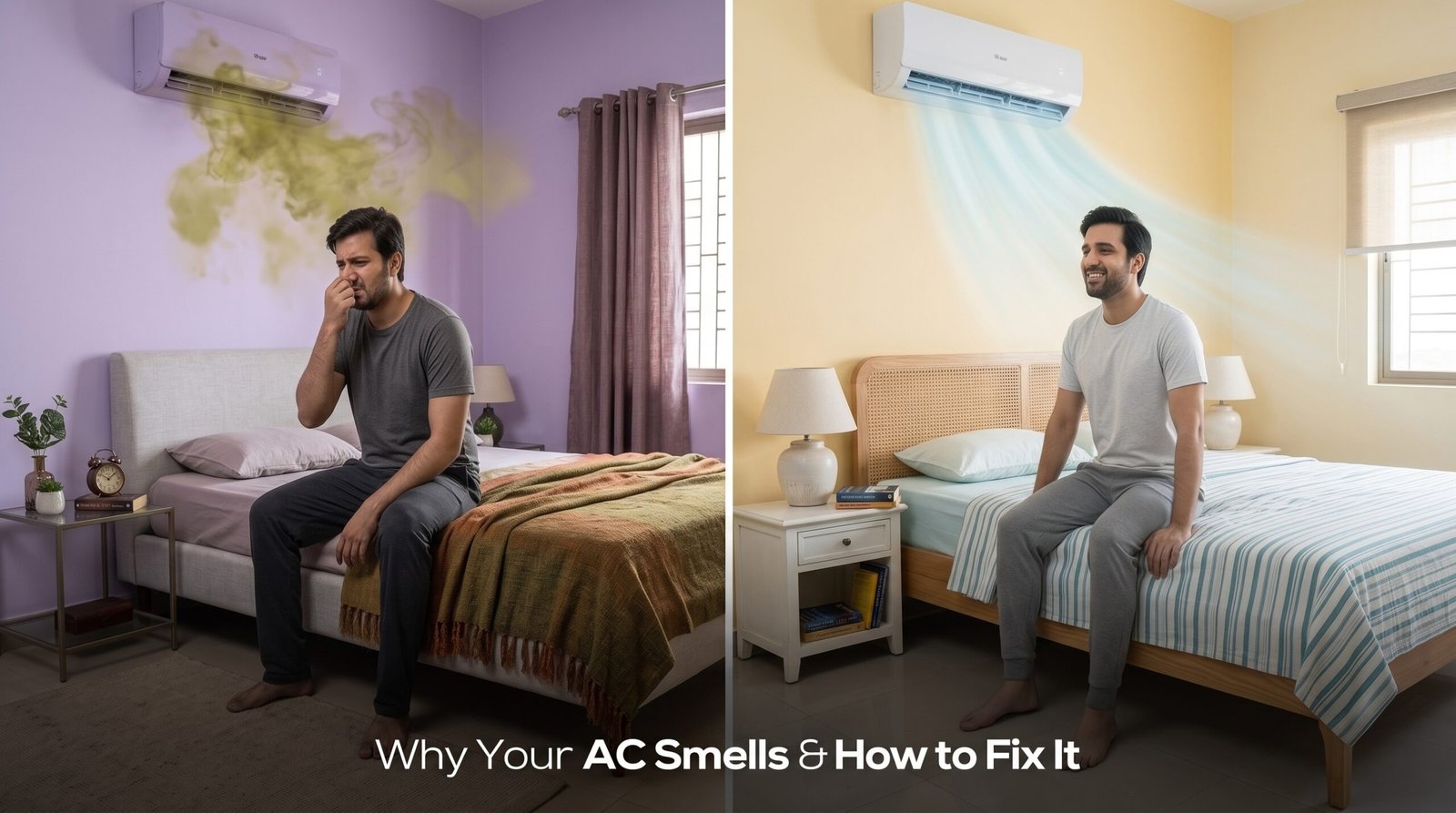
A musty, damp smell usually means that mold or mildew has grown inside the indoor unit or the drainage tray. A foul, burning smell indicates an electrical issue or overheating wire insulation. Turn off the power immediately if you smell burning!
4. Frequent Cycling (Turning On and Off Rapidly)
It is normal for your AC to turn on, cool the room, and temporarily turn off once the target temperature is reached. However, if it cycles on and off every few minutes without actually cooling the room, it is experiencing “short-cycling.” This destroys the compressor very quickly.
5. Water Leaking Around the Unit
If you see water pooling underneath your indoor unit or dripping down the wall, your condensate drain line is clogged. While it isn’t an immediate mechanical failure, it can ruin your home’s paint, wallpaper, and drywall.
6. A Sudden Spike in Your Electricity Bill
If your daily usage habits haven’t changed but your monthly power bill suddenly jumps up significantly, your AC is likely working overtime due to a hidden mechanical issue or heavy dirt accumulation.
6. Factors That Change How Often You Need a Service
While once a year is the standard recommendation, certain situations require you to service your AC much more frequently. Consider these factors:
- Pets in the House: If you have dogs or cats, their fur and dander float through the air and clog up AC filters much faster. You may need to clean your filters every 2 to 3 weeks and get professional service twice a year.
- Living in a Dusty or Polluted Area: If your home is near a busy main road, a construction site, or a desert area, your outdoor unit will accumulate thick layers of mud and dust very quickly. This requires bi-annual cleaning.
- Constant, Heavy Usage: If you live in a tropical climate where the AC runs 24/7 for 8 to 10 months a year, a single annual service isn’t enough. Aim for a professional tune-up every 6 months.
7. Simple DIY Tips to Keep Your AC Healthy Between Services
You do not always have to rely on an expert to keep your cooling system in top shape. Here are a few simple habits you can practice at home:
- Keep the Temperature at 24°C: Setting your AC to 16°C won’t make it cool the room any faster. It just keeps the compressor running non-stop. Keeping it at 24°C cools efficiently, protects the machine, and cuts down your power bill.
- Use Curtains and Blinds: Block out direct sunlight from your windows during the hottest hours of the day. This keeps the room naturally cooler, reducing the workload on your AC.
- Turn on a Ceiling Fan: Ceiling fans help circulate the cool air generated by the AC evenly throughout the room. This allows you to set the AC a couple of degrees higher while still feeling perfectly comfortable.
- Never Block the Indoor Air Vents: Ensure that tall wardrobes, curtains, or shelving units are not blocking the front of your indoor AC unit. It needs unrestricted airflow to function correctly.
8. Conclusion
Regularly servicing your AC might feel like an annoying chore or an unnecessary expense, but it is one of the smartest investments you can make for your home. By spending a small amount on a yearly spring tune-up, you protect yourself from massive repair bills, breathe cleaner air, and keep your electricity costs low.
Listen to your AC. If it starts blowing warm air, making weird noises, or dripping water, don’t wait for spring—get it checked right away!
Frequently Asked Questions (FAQs)
Q1. Can I service my air conditioner myself? +
You can easily handle basic maintenance like washing the dust filters and clearing debris away from the outdoor unit. However, deep cleaning the internal coils, handling electrical wiring, and checking refrigerant levels require professional tools and training. It is best to leave the technical work to a certified expert.
Q2. How long does a standard AC service take? +
A routine, professional AC service typically takes between 45 minutes to 1.5 hours per unit. This duration can increase if the technician finds a complex issue like a gas leak or an electrical failure that needs instant repair.
Q3. What happens if I never service my AC? +
If you completely ignore AC servicing, the unit's cooling efficiency will drop by roughly 5% every single year. Dust will choke the system, leading to sky-high power bills, frequent breakdowns, poor air quality, and an early total failure of the compressor.
Q4. Why is my AC blowing air but not cooling the room? +
The most common reasons for this are a heavily clogged air filter blocking the airflow, dirty condenser coils on the outdoor unit, or a shortage of refrigerant gas due to a slow leak.
Q5. Is it normal for an AC to drip water outside? +
Yes, it is entirely normal for the outdoor unit's drain pipe to drip water while the system is running. The AC pulls humidity and moisture out of your indoor air, turns it into water droplets, and channels it outside. However, water should never leak from the indoor unit.
Q6. How often should I replace my AC air filters? +
If you have standard plastic, washable mesh filters, you should wash them every 1 to 2 months. If your system uses disposable pleated fabric filters, they should be replaced with brand-new ones every 3 months.
Q7. Does servicing my AC help reduce my monthly power bill? +
Absolutely! A clean and well-maintained AC runs smoothly without facing unnecessary resistance. This allows it to cool your room much faster while drawing significantly less electrical current, causing your power bills to drop.
Q8. Why does my AC smell bad when I turn it on? +
A musty or moldy smell indicates that water has accumulated in the drain pan, allowing mold, bacteria, or mildew to grow inside. A sharp, burning smell points toward a serious electrical malfunction or burnt wires.
Q9. How many years does a typical residential AC unit last? +
With proper annual servicing and regular filter cleaning, a high-quality split or window AC unit can easily last between 10 to 15 years. Without proper maintenance, it may fail completely within 5 to 7 years.
Q10. Should I cover my outdoor AC unit during the winter months? +
You do not need to wrap it completely, as outdoor units are built to withstand rain and harsh weather. In fact, wrapping it tightly in plastic can trap internal moisture, causing rust and inviting small rodents to build nests inside. If you want to protect it from falling leaves, simply place a wooden board or a breathable cover over the top surface only.