






Gas vs Electric Heaters in Pakistan | Apko KiaChahiye?

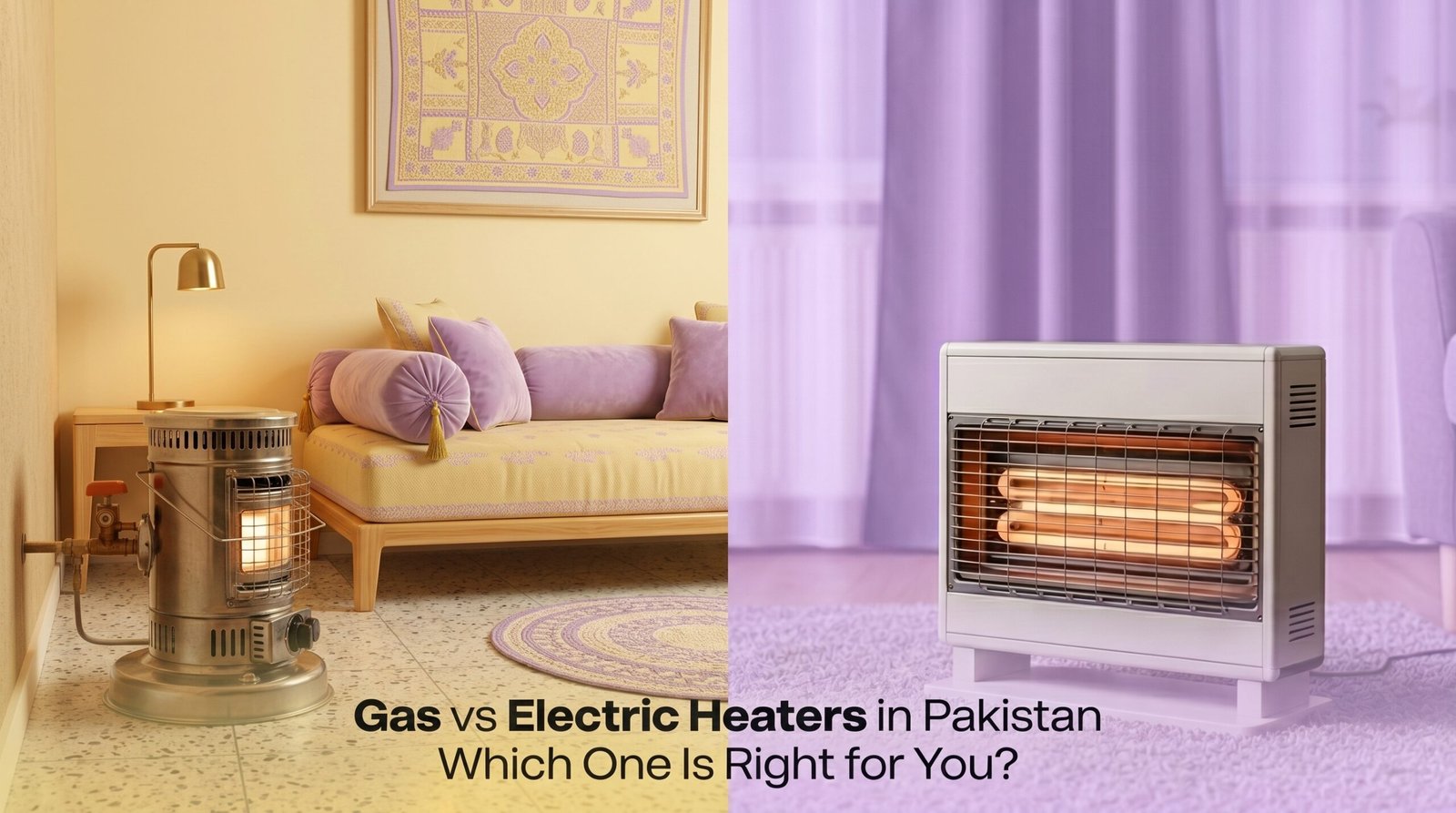
Ultimate 2026 Winter Buying Guide
Winter in Pakistan brings a beautiful shift in weather, but it also revives a classic household dilemma every single year: Should you buy a gas heater or an electric heater to keep your family warm without breaking the bank?
At first glance, gas room heaters appear much cheaper to run, while electric space heaters seem like a luxury due to soaring electricity tariffs, heavy NEPRA tax slabs, and fuel adjustment charges (FAC). However, when you factor in winter gas load shedding, low gas pressure solutions, safety hazards, health risks, installation costs, and long-term energy efficiency, the answer isn’t as simple as it looks.
Quick Comparison Table – Gas Heaters vs Electric Heaters
Feature | Gas Heaters (Natural/LPG) | Electric Heaters (Fan/Oil-Filled/Quartz) |
Upfront Cost | PKR 4,000 – PKR 60,000 | PKR 3,000 – PKR 40,000 |
Installation | Professional piping & gas fitting required | 100% Plug-and-Play (No installation cost) |
Running Cost | Low (If natural gas pipeline is available) | High (Depends heavily on wattage and usage) |
Winter Reliability | Drops during low gas pressure & shortages | Dependent on electricity/load shedding grids |
Safety Level | High risk (Carbon Monoxide & leakage hazards) | Very safe (Auto shut-off & tip-over protection) |
Health Impact | Consumes oxygen, can aggravate respiratory issues | Clean heating, does not affect indoor air quality |
Heat Retention | Low (Room cools down instantly when turned off) | High (Especially in premium oil-filled radiators) |
Best For | Large lounges, open spaces, continuous heating | Bedrooms, small offices, quick zoned heating |
Understanding Heater Types Available in the Pakistani Market
When you search for the best winter appliances in Pakistan or browse major multi-category stores, you will generally find these varieties under both categories:
1. Gas Heaters
- Natural Gas (Sui Gas) Heaters: Traditional radiant or fan-assisted copper-coil heaters connected to home gas lines. They are highly dependent on Sui Northern (SNGPL) or Sui Southern (SSGC) networks.
- LPG Cylinder Heaters: Portable heaters that utilize liquid petroleum gas cylinders—mostly used in regions facing extreme gas load shedding.
- Wall-Mounted Gas Heaters: Modern, fixed glass-front or ceramic panel heaters designed for elegant living rooms that offer better heat reflection.
2. Electric Heaters
- Fan Heaters / Ceramic PTC Heaters: Small, highly portable units that blow instant hot air using a heating element. They are great for personal spot heating.
- Quartz & Halogen Heaters: Budget-friendly options using glowing glass rods to provide immediate directional infrared heat.
- Oil-Filled Radiators (OFR): Premium heaters where internal eco-thermal oil is heated to radiate warmth across the room. They retain heat long after being turned off.
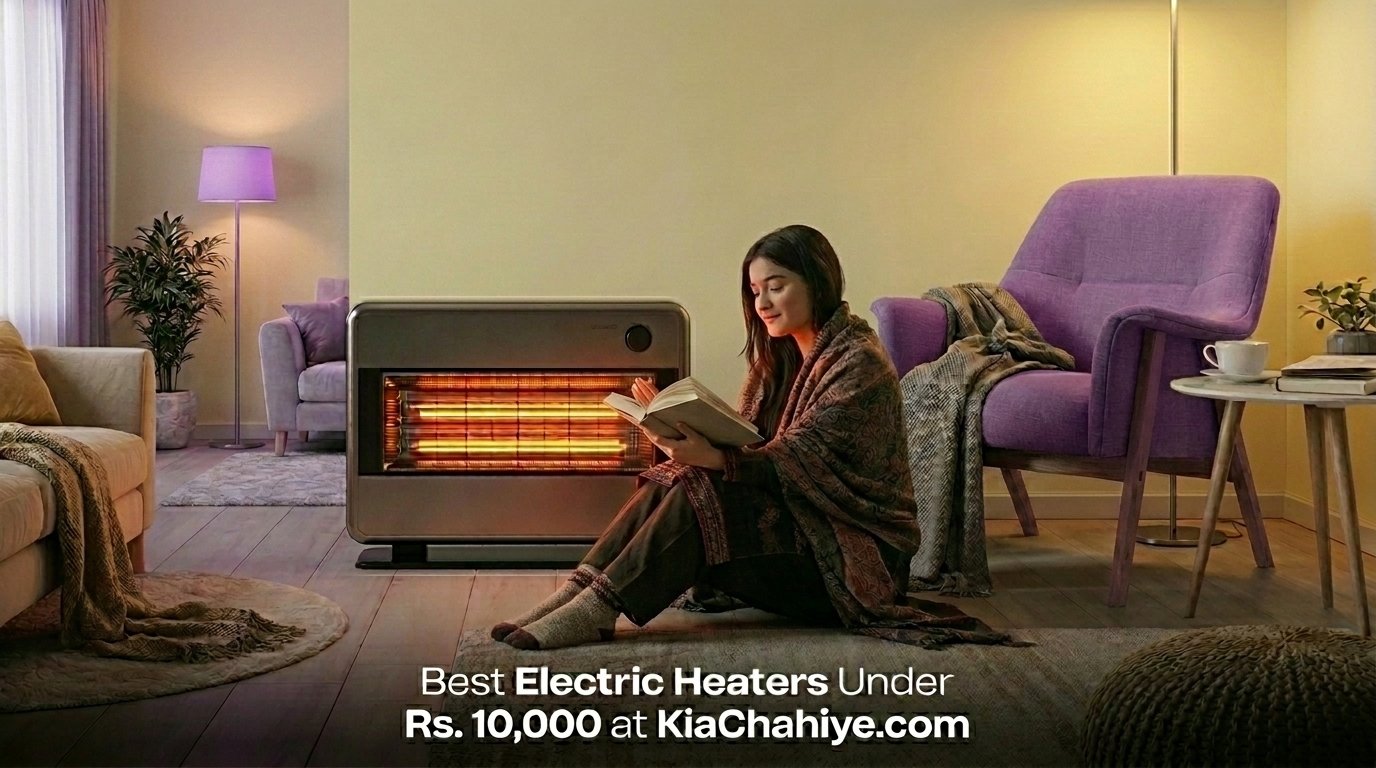
- Infrared Panel Heaters: Energy-efficient tech that heats objects and people directly rather than wasting energy warming the ambient air.
Price Comparison in Pakistan (Upfront Costs)
Electric Heater Price in Pakistan
The entry-level electric heater price in Pakistan starts as low as PKR 3,000 for basic quartz or halogen rod heaters. Premium, European-standard oil-filled electric heaters or smart panel heaters from brands like Black & Decker, Kenwood, Philips, or Delonghi can cost up to PKR 40,000. The biggest financial advantage here is zero installation cost—you just take it out of the box and plug it into a standard 15A socket.
Gas Heater Price in Pakistan
A standard gas heater price in Pakistan ranges from PKR 4,000 for locally manufactured metallic radiant models up to PKR 60,000 for high-end imported ceramic or auto-ignition console heaters. However, you must factor in additional costs for copper pipes, gas regulators, high-pressure safety valves, and professional plumbing fittings, which add an extra PKR 3,000 to PKR 5,000 to your initial setup bill.
Energy Consumption & Monthly Cost Analysis
Electric Heater Power Consumption (The Real Math)
Many consumers assume all electric heaters will single-handedly double their electricity bills. In reality, modern space heaters offer multiple heat settings (e.g., 400W, 1000W, 2000W) allowing you to manage your consumption.
Power Setting | Monthly Units Consumed | Estimated Monthly Cost (6 Hours/Day) |
400 Watts (Low Eco Mode) | 72 Units | PKR 4,320 |
1,000 Watts (Medium Mode) | 180 Units | PKR 10,800 |
2,000 Watts (High/Turbo) | 360 Units | PKR 21,600 |
Note: By keeping your heater on a low eco-setting or using an oil-filled radiator that cycles on/off automatically using a built-in thermostat, you can practice highly effective zoned heating without exploding your utility bills.
Gas Heater Running Cost & Limitations
If you live in an area with a stable, subsidized natural gas pipeline supply, running a gas heater for 6–8 hours daily will cost you around PKR 3,000 to PKR 6,000 per month, depending on your gas billing slab.
However, winters in Pakistan come with severe low gas pressure issues and nighttime load shedding. If you shift to an LPG cylinder setup, the financial equation changes completely. An LPG cylinder costs anywhere between PKR 3,500 to PKR 5,000 per refill and typically lasts only 15 to 25 days depending on your usage. This means running a gas heater on LPG can cost you over PKR 8,000 to PKR 10,000 per month, making it just as expensive as an electric option.
Safety & Health Comparison: A Critical Differentiator
Gas Heater Risks:
- Carbon Monoxide Buildup: Gas combustion in a closed bedroom quickly depletes oxygen levels, replacing it with lethal, odorless Carbon Monoxide (CO) gas. This is a primary cause of winter accidents in Pakistan.
- Respiratory Issues: Unvented gas heaters emit nitrogen dioxide and moisture, which can cause damp walls and aggravate asthma, allergies, chronic coughing, and breathing difficulties in children and elderly family members.
- Gas Leakage: Faulty pipe fittings, old rubber pipes, or a flame that accidentally blows out overnight due to voltage/pressure shifts poses severe fire and suffocation hazards.
Electric Heater Safety Advantages:
- Zero Emissions: Electric heaters do not burn oxygen or emit toxic gases, making them the absolute safest option for overnight bedroom use.
- Advanced Protection Features: High-quality electric room heaters come with built-in tip-over protection (automatically shuts off if knocked over by kids or pets) and overheat auto-cut sensors.
Expert Advice from Kiachahiye.com: Never compromise your family’s health for a cheaper utility bill. For sleeping areas and enclosed bedrooms, an electric or oil-filled heater should always be your default choice to prevent carbon monoxide poisoning.
Room Size & Space Allocation Guide
To maximize heating efficiency and avoid overloading your appliance, match the appliance type to your specific room layout:
- Small Bedrooms / Home Offices (Up to 120 sq. ft.): An electric fan heater or quartz heater is ideal for rapid, close-range heat.
- Medium Bedrooms (150 – 200 sq. ft.): An oil-filled electric radiator is highly recommended as it distributes gentle heat evenly across the room without drying out the air’s natural humidity.
- Large Living Rooms / Open Lounges (Above 250 sq. ft.): A high-capacity gas heater is the most practical choice here, as it can throw intense thermal energy across large open spaces efficiently.
Conclusion:
The debate between Gas vs Electric Heaters comes down to balancing your operational budget against your personal safety:
- Choose a Gas Heater if you need to heat a large communal lounge or dining area, have a steady pipeline gas supply, can ensure proper room ventilation, and want to avoid high NEPRA electricity slabs.
- Choose an Electric Heater if you are buying a unit specifically for a bedroom, value your family’s health and safety above all else, live in a rental apartment without gas lines, or want plug-and-play convenience.
Frequently Asked Questions (FAQs)
Q1. Which heater is cheaper to run on a monthly basis in Pakistan? +
If your area receives consistent, high-pressure natural gas (Sui gas), then a gas heater is significantly cheaper to run. However, if you are forced to use LPG cylinders due to gas load shedding, the cost becomes almost equal to using a controlled electric heater.
Q2. Can I run a room heater on my home UPS or Solar system? +
Standard local backup UPS systems cannot handle the high wattage (1000W–2000W) of electric heaters. However, if you have a robust hybrid solar system (5kW or above) with sufficient battery backup, you can easily run low-wattage electric heaters during peak sunlight hours.
Q3. Is it safe to leave a gas heater turned ON throughout the night? +
No, it is highly dangerous. Leaving a gas heater running overnight in a sealed room causes rapid oxygen depletion and deadly carbon monoxide poisoning. Always turn off gas heaters before going to sleep.
Q4. Why are oil-filled electric heaters considered better than rod heaters? +
Oil-filled radiators do not burn ambient oxygen or lower room humidity. Furthermore, the internal thermal oil retains heat for a prolonged period, meaning the heater stays warm and consumes less energy by cycling on and off through its automated thermostat.
Q5. How can I reduce my electricity bill while using an electric heater? +
To optimize your bill, practice zoned heating (only heat the room you are actively using), use the lowest effective wattage setting (e.g., 800W instead of 2000W), keep doors and windows fully sealed, and use heavy insulation curtains to trap the warmth inside.
Q6. What are the main maintenance requirements for a gas heater? +
Gas heaters require an annual inspection before winter starts. Technicians must check for gas leaks in the copper lines, clear dust from the burner nozzles, and ensure the gas regulator diaphragm is functioning safely.
Q7. Which heater is best for families with toddlers and pets? +
Electric oil-filled radiators or wall-mounted PTC ceramic heaters are the safest for children because they do not feature open flames or exposed, red-hot heating elements that can cause accidental burns.
Q8. Why does my gas heater change its flame color to yellow or orange? +
A healthy gas flame should always burn crisp blue. A yellow or orange flame indicates improper gas combustion, low oxygen levels, or a dusty burner nozzle, which increases the production of dangerous carbon monoxide gas. It needs immediate cleaning.
Q9. Are infrared heaters effective for Pakistani homes? +
Yes, infrared heaters are highly efficient for personal spaces because they heat solid objects (like your body or furniture) directly through radiant waves, rather than wasting electrical energy trying to heat a drafty, uninsulated room.