








Best AC Brands in Pakistan 2026 Comparison

Why Choosing the Right Inverter AC Matters in 2026
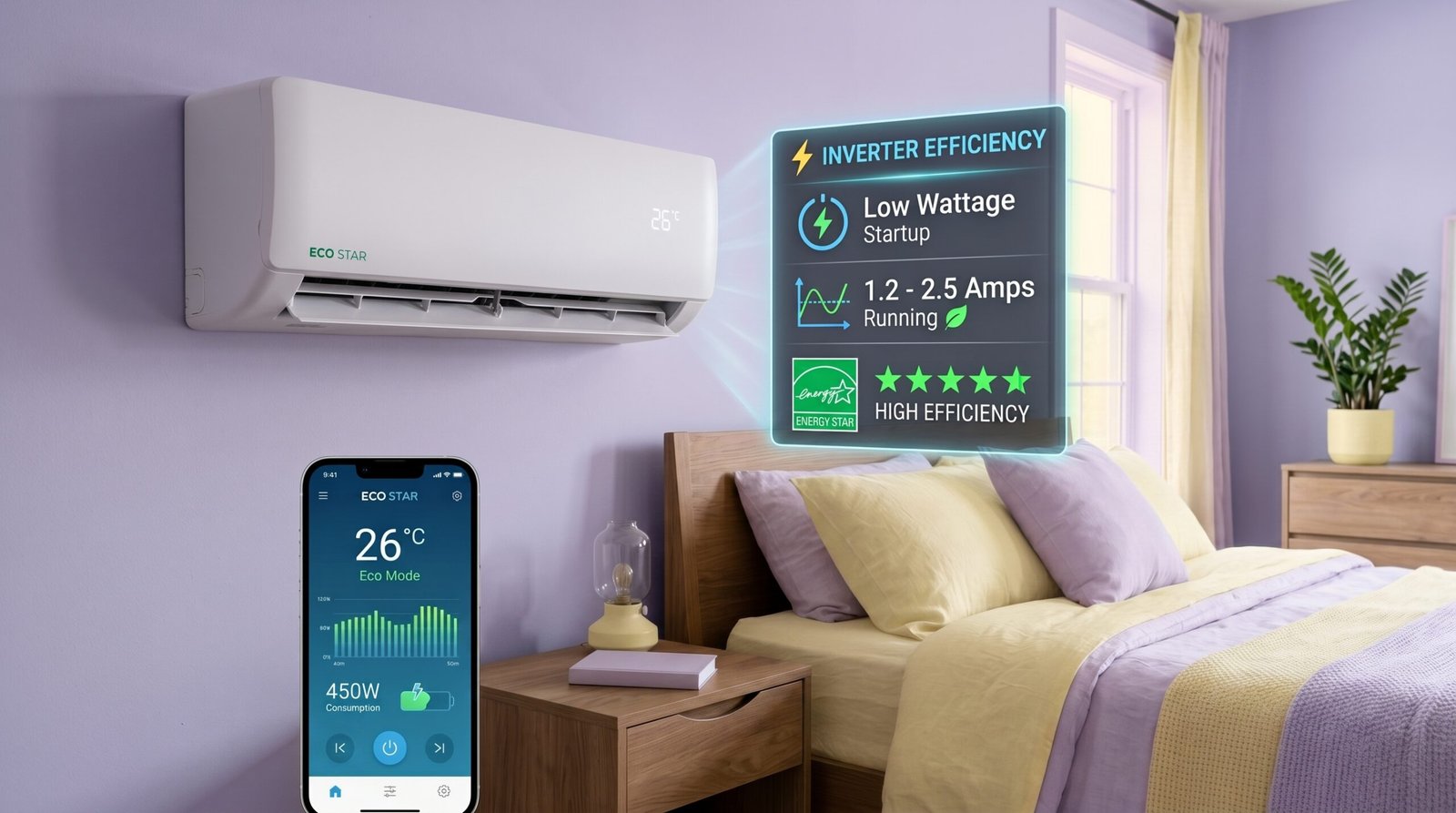
Modern inverter ACs can save up to 60% to 70% on electricity bills compared to old fixed-speed models. In major Pakistani cities like Lahore, Karachi, Multan, and Faisalabad, where temperatures frequently soar past 45°C, having an AC with a T3 Tropical Compressor is essential. T3 compressors are specifically built to deliver stable, high-performance cooling even when the outside temperature hits 50°C or above, preventing the system from tripping when you need it most.
Detailed Review of the Top 10 AC Brands in Pakistan
Here is a deep dive into the 10 major air conditioner brands dominating the Pakistani market in 2026.
1. Haier
- Key Highlights: Hyper PCB for voltage stabilization, UPS-enabled setups, and self-cleaning technology.
- Pros: Highly affordable, vast availability of spare parts, excellent after-sales service.
- Cons: Base models can sometimes have thin copper tubing that requires careful installation.
- Haier HSU-13HFC (1 Ton): A premium Triple Inverter unit featuring Turbo Cooling and Wide Voltage Operation. Ideal for small bedrooms or offices trying to cut electricity bills by up to 60%.
- Haier HSU-19HFS Super T3 Pro (1.5 Ton): Built explicitly for scorching summers, this unit features a heavy-duty T3 compressor that stays functional under immense heat loads without tripping.
- Haier Pearl Inverter HSU-18HFP (1.5 Ton): A highly aesthetic variant available in gorgeous silver and golden matte finishes, offering smart WiFi app tracking and high energy efficiency.
2. Gree
- Key Highlights: G10 Inverter technology, ultra-high SEER ratings, and superior T3 G-Boost compressors.
- Pros: Elite build quality, powerful air throw, highly reliable in 48°C+ weather.
- Cons: Priced significantly higher than local competitors.
- Gree Airy Pro (GS-18AITH24W – 1.5 Ton): A flagship powerhouse boasting an industry-leading SEER rating of 12.45, 3D seamless airflow, and high-tier energy optimization chips.
- Gree Airy Plus (GS-12AITH21W – 1 Ton): A premium smaller capacity choice designed for long operating hours, offering silent performance and rapid low-voltage startups down to 150V.
- Gree Pular T3 Inverter (GS-24PITH15W – 2 Ton): An absolute beast for large living rooms and commercial setups, featuring an integrated curved design and six advanced health filters.
3. Midea
- Key Highlights: Officially certified 5-star units (Midea Titan), Graphene fin coatings for anti-corrosion, and AI Eco Master power management.
- Pros: Incredible electricity savings, exceptional rust protection for coastal regions like Karachi.
- Cons: Brand recognition is still growing compared to older giants like Haier.
- Midea Titan Full DC (1.5 Ton): Pakistan’s first officially certified 5-Star inverter unit featuring an extreme T3 TropicPro compressor designed to perform reliably up to 69°C.
- Midea Xtreme Plus (MSEZ2C-18HRFN1 – 1.5 Ton): Uses AI Ecomaster technology to slice power consumption by up to 71%. Features Prime Guard protection against heavy voltage spikes.
- Midea Breezeless R-32 (1.5 Ton): Employs thousands of micro-holes to disperse cool air gently without a harsh, direct cold blast. Uses ultra-eco-friendly R-32 refrigerant.
4. Kenwood
- Key Highlights: Full 5DC inverter systems, electronic expansion valves (EEV) for precision cooling, and eSmart smart-app integration.
- Pros: Elegant indoor designs, excellent low-voltage performance, top-tier efficiency.
- Cons: Premium pricing; repair costs for high-end PCBs can be steep.
Top 3 Kenwood Models for 2026:
- Kenwood eSmart Onyx (1.5 Ton): A luxury mirror-panel flagship unit that comes with comprehensive smart energy monitoring via a smartphone app and full 5DC power flow.
- Kenwood Kuro Luxury (1.5 Ton): A sleek, deep-black structured unit meant to complement high-end room interiors while providing rapid T3 cooling performance.
- Kenwood Eco Plus (1 Ton): A budget-friendly, minimalist entry into the Kenwood tier that targets standard room sizing with efficient power draws.
5. TCL
- Key Highlights: T-AI Energy Saving Chipsets, VoxIN offline voice commands, and gentle-breeze cooling slats.
- Pros: Affordable IoT features, fast cooling response, modern digital aesthetic.
- Cons: Air throw distance is sometimes shorter compared to heavy-duty brands like Gree.
- TCL VoxIN T5 (18T5 – 1.5 Ton): Equipped with built-in offline voice control modules, allowing you to control temperature using simple voice phrases without needing an internet connection.
- TCL T3 Pro 2 (1.5 Ton): A heavy-duty, highly structural alternative engineered specifically around an advanced T3 compressor system to handle extreme summer peaks.
- TCL Miracle Inverter (1 Ton): A highly economical option for home offices or small studies that integrates basic smart app controls and anti-rust gold fin coatings.
6. Dawlance
- Key Highlights: Dual-rotary compressors, wide voltage operation range (150V–260V), and excellent localized warranties.
- Pros: Exceptionally reliable customer support network, highly durable build, competitive pricing.
- Cons: Slower to introduce ultra-premium smart features compared to international brands.
Top 3 Dawlance Models for 2026:
- Dawlance Hyper T3 Inverter (1.5 Ton): A robust, deep-cooling model packed with an auto-cleaning interior system and an advanced dual-rotary tropical compressor.
- Dawlance Elegance X Inverter (1.5 Ton): Known for its beautifully uniform 4D Airflow mechanics and auto-memorized PCB layout that handles severe load-shedding seamlessly.
- Dawlance Mega T+ Inverter (0.75 Ton / 1 Ton): Featuring a clever Gen Mode function that allows you to limit the AC to draw minimal amps, making it perfect for smaller solar or UPS setups.
7. PEL (Pak Elektron Limited)
- Key Highlights: Jumbo Prime build, customized energy-saving modes, and hyper-tropical compressors.
- Pros: Excellent value for large rooms, heavy-duty build quality, budget-conscious pricing.
- Cons: Minimalist smart/WiFi features on lower-tier entry models.
- PEL Jumbo Prime Inverter (1.5 Ton): Features a heavily oversized indoor chassis that outputs a massive volume of air throw, chilling big spaces or deep rectangular rooms in minutes.
- PEL Aero T3 Inverter (1.5 Ton): Uses specialized T3 hyper-tropical compressor assemblies to sustain rapid cooling performance when ambient heat approaches 52°C.
- PEL Fit Green Inverter (1 Ton): An entry-level, highly affordable choice optimized specifically around basic power savings and minimal seasonal maintenance costs.
8. Orient
- Key Highlights: Optimized localized smart applications, Japanese-grade internal component layout, and gold fin evaporators.
- Pros: Beautiful aesthetic finishes, great energy-tracking features on smartphone apps.
- Cons: Requires precise seasonal maintenance to avoid sensor errors.
- Orient Ultron Classic (1.5 Ton): A smart-connected inverter model praised for real-time power consumption indicators viewable directly on your smartphone screen.
- Orient Grand T3 Inverter (1.5 Ton): A high-performance unit designed around gold-plated anti-corrosive fin sheets and rapid low-voltage starting modules.
- Orient Divine Inverter (2 Ton): A stylish, budget-focused 1-Ton variant intended for compact bedrooms, blending reliable cooling loops with a neat geometric panel finish.
9. EcoStar
- Key Highlights: 4D long air throw (up to 66 feet on floor-standing types), precise AI temperature controls, and multi-health filters.
- Pros: Good value for medium or long rooms, reliable entry-level performance.
- Cons: Limited independent premium service outlets compared to market leaders.
Top 3 EcoStar Models for 2026:
- EcoStar Duke Series (1.5 Ton): A sleekly contoured inverter AC designed with advanced multi-health air filtration maps and low-noise fan blades.
- EcoStar Crown Series (1.5 Ton): Focuses heavily on extreme voltage protection buffers, running smoothly without standard external stabilizers during grid fluctuations.
- EcoStar Slim Line (1 Ton): A highly compact, space-saving indoor unit that targets quick localized cooling loops for smaller offices or commercial workspaces.
10. Homage
- Key Highlights: Low-voltage start-ups, sleek design profiles, and balanced power consumption modules.
- Pros: Great compatibility with solar inverters, budget-friendly purchase costs.
- Cons: Smaller variety of flagship variants compared to dedicated air-conditioning giants.
- Homage Vertex Inverter (1.5 Ton): Highly popular for its extremely responsive Ampere-limiting controller settings, integrating smoothly into residential solar net-metering plants.
- Homage Prime T3 Series (1.5 Ton): Features a reliable tropicalized cooling baseline, heavy-duty build specifications, and a clean minimalist white fascia.
- Homage Eco Comfort (1 Ton): A lightweight, affordable 1-Ton choice focused on maintaining smooth baseline room temperatures while pulling minimal current draws.
2026 AC Brand Comparison Table
Brand | Market Segment | Primary Strength | Ideal For |
Which One Should You Buy?
- Choose Gree or Kenwood if you want premium longevity, powerful cooling, and beautiful aesthetics, and budget is not an issue.
- Choose Midea if your top priority is the lowest possible electricity bill and superior anti-rust protection.
- Choose Haier, TCL, or Dawlance if you want the perfect balance of modern features, robust warranties, and affordable mid-range pricing.
- Choose PEL or EcoStar if you need a heavy-duty air throw for large rooms on a tight budget.
Frequently Asked Questions (FAQs)
Q1. Which AC brand saves the most electricity in Pakistan for 2026? +
Currently, Midea (Titan Series) and Gree (Airy Pro) lead the market in energy efficiency. Midea's Titan is a full 5DC unit with a 5-star rating, while Gree Airy Pro features a massive SEER of 12.45, reducing bills significantly compared to standard entry-level inverters.
Q2. What is a T3 compressor, and do I need it? +
A T3 compressor is designed to work efficiently in tropical climates with temperatures reaching up to 50°C or higher without tripping. If you live in hot regions or on a top floor with direct sunlight, a T3 compressor is highly recommended.
Q3. Why is proper vacuuming important during AC installation? +
Many local technicians skip vacuuming the copper pipes before releasing the refrigerant gas. If air or moisture remains in the lines, it degrades the compressor oil, reduces cooling efficiency, and leads to early system failure. Always insist on a proper vacuum pump installation.
Q4. Can I run an inverter AC on a home UPS or Solar system? +
Yes. Most modern inverter ACs have an Ampere Control feature (Gen Mode) via their remotes. You can lock the AC to draw only 2 to 4 amperes, making it safe to run on solar setups or appropriately sized home inverters.
Q5. What is the difference between a cheap inverter and a full DC inverter? +
Cheap or entry-level inverters usually only have an inverter compressor, while other motors run at fixed speeds. A "Full DC" or "5DC" inverter uses DC motors for the compressor, indoor fan, outdoor fan, and valves, yielding much higher energy efficiency.
Q6. Is Haier better than Gree? +
Q7. How often should I clean my AC filters? +
In dusty Pakistani cities, you should wash the indoor plastic mesh filters every 2 weeks. Clogged filters restrict airflow, causing the AC to run longer and consume more electricity.
Q8. What is the average lifespan of an inverter AC board (PCB)? +
An inverter PCB can last over 7 to 10 years if protected from moisture and major voltage spikes. Brands like Haier use coated Hyper PCBs to protect against lizards and moisture, which are common causes of board short-circuits.
Q9. Why are R32 gas models preferred over R410a? +
R32 refrigerant gas is more efficient at heat transfer, requires less volume to do the same job, and has a much lower global warming impact than old R410a gases. It is the modern standard for 2026.
Q10. Which tonnage is right for my room size? +
As a general rule for standard Pakistani room heights:
- Up to 120–140 sq ft: 1.0 Ton
- 150 to 250 sq ft: 1.5 Ton
- 250 to 350 sq ft: 2.0 Ton
(Note: If your room faces direct sunlight or is on the top floor, always size up to ensure effective cooling).